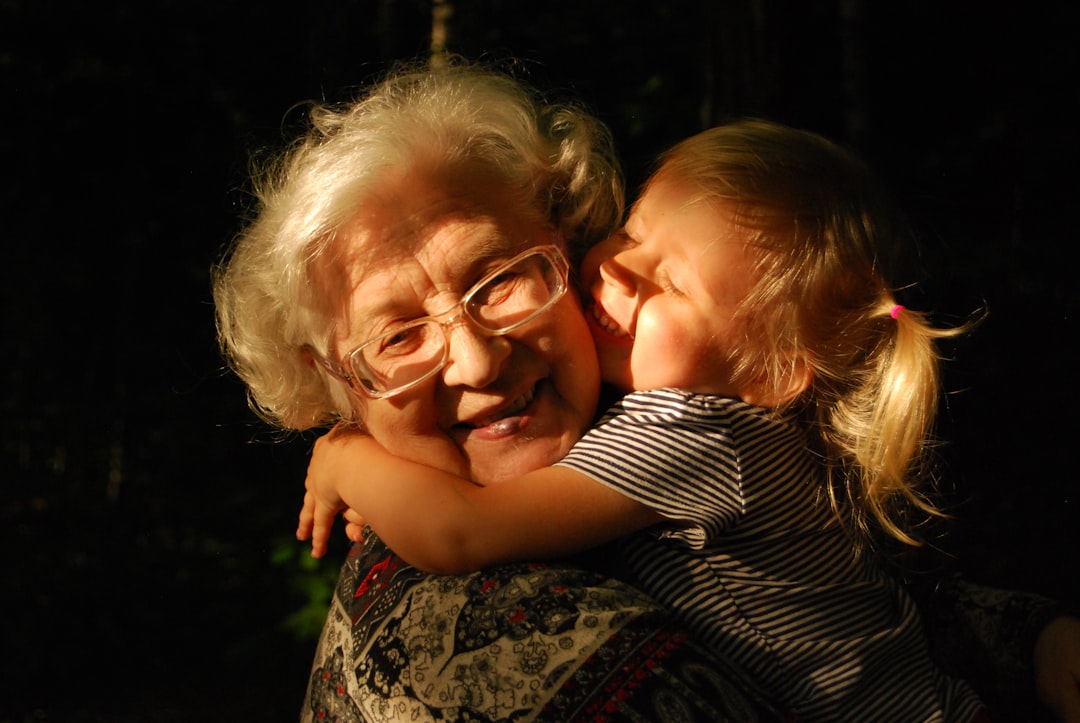
There is no relationship quite like the one between a grandparent and a grandchild. You bring something to their lives that nobody else can: encouragement, patience, wisdom, and a living connection to family history they would not find anywhere else.
And yet life moves fast. Families are busier than ever. It can feel like staying truly close takes more time and energy than anyone has.
Here is the reassuring part: staying important in your grandkids’ lives does not require grand gestures. It does not require being there for every milestone or pulling off something extraordinary.
What it really takes is consistency. Showing genuine interest in their lives, again and again. Creating small traditions they can count on. Finding activities that everyone, you included, actually enjoys.
The research says what you already suspected
AARP surveyed nearly 3,300 grandparents across the country in late 2025 for its study Powering Families. 83 percent described their grandparenting experience as joyful, and 80 percent called it fulfilling. In separate AARP research, 87 percent of adults 50 and older agreed that grandparents are important figures in helping younger generations become capable, confident adults.
What may surprise you is how much of that benefit travels back the other way.
Sara Moorman and Jeffrey Stokes of Boston College tracked 374 grandparents and 356 adult grandchildren over 19 years of survey data, publishing their findings in The Gerontologist in 2016. Pairs who felt emotionally close to one another showed fewer symptoms of depression over time. Not one generation. Both.
Closeness, in other words, is a two-way medicine.
Small traditions beat big occasions
The easiest traditions are the ones attached to something already on your calendar. Sunday afternoon is already Sunday afternoon. The drive to school is already happening. A tradition costs almost nothing when it rides along with a routine you keep anyway.
A few that work well:
- The same phone call, the same day, every week. Ten minutes counts.
- A standing card in the mail. Children who never open envelopes will open one addressed to them.
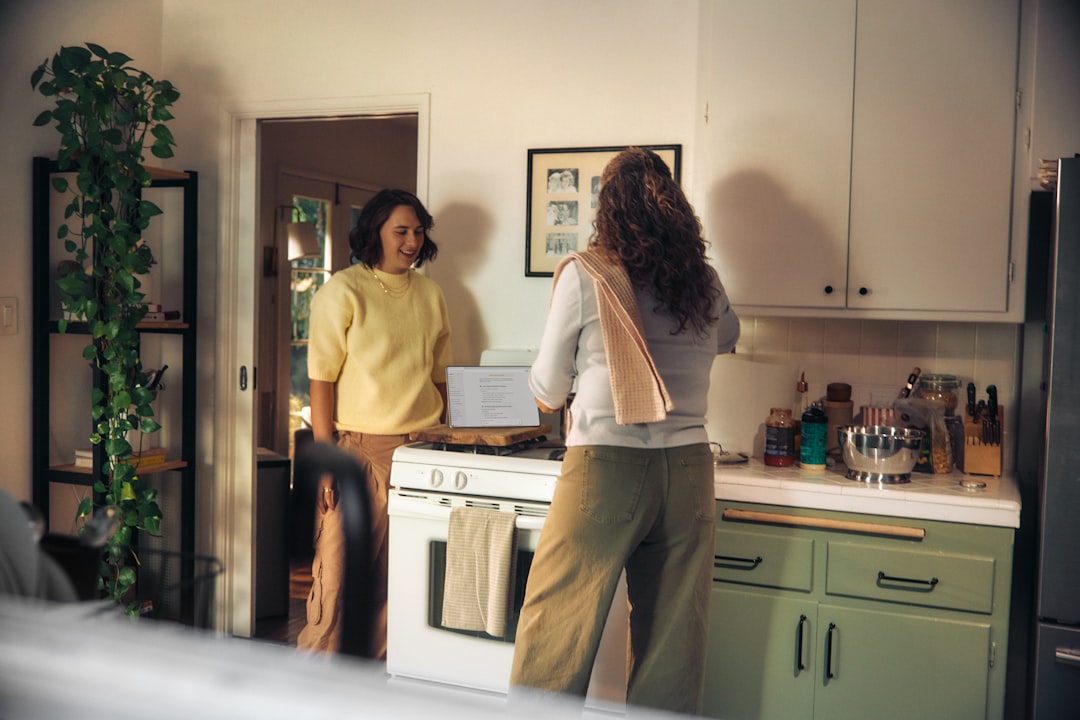
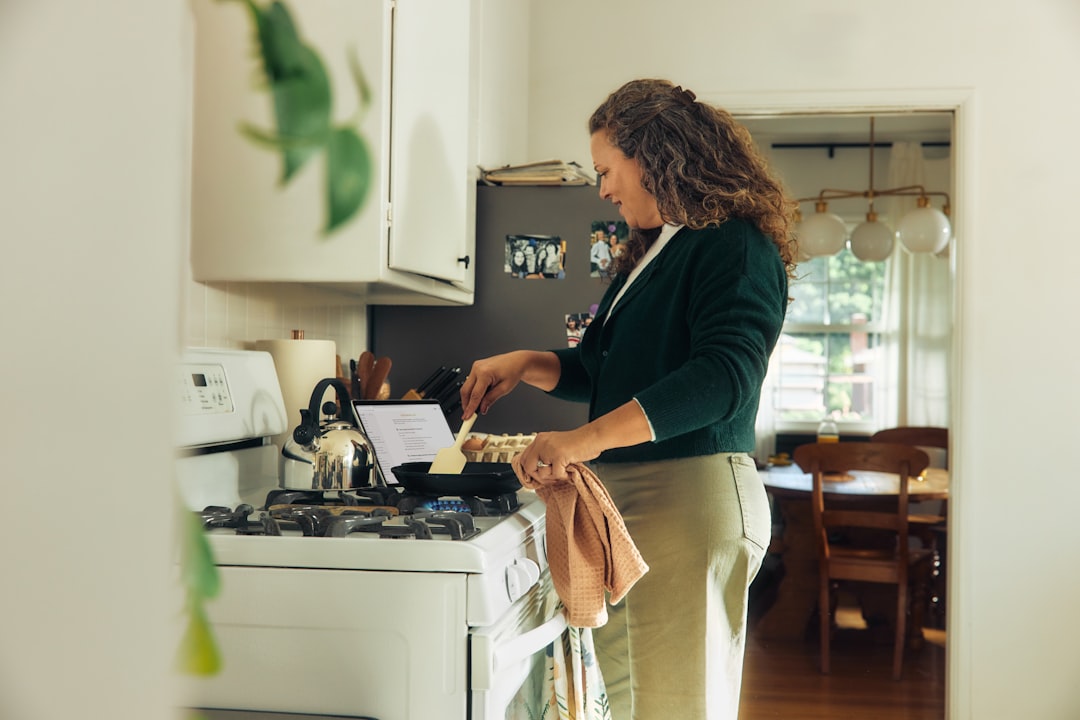
- One recipe that belongs to the two of you and nobody else.
- A shared show you both watch separately, then talk about.
- The same booth at the same diner, ordered the same way.
The tradition matters less than the fact that it repeats. Repetition is what turns an activity into a memory.
Tell them the stories nobody else can tell
In the 1990s, psychologists Marshall Duke and Robyn Fivush at Emory University built something called the “Do You Know?” scale. It asked children 20 questions about their own family. Do you know where your grandparents grew up? Do you know how your parents met? Do you know a hard thing that happened in your family?
They compared the answers against a battery of psychological tests. The more a child knew about the family’s history, the stronger that child’s sense of control over their own life, the higher their self-esteem, and the better they believed their family functioned.
Their research also found that the most valuable stories were the honest ones, the accounts that moved through hard times and showed how the family came out the other side. Difficulty followed by recovery gives a child a template. Perfection gives them nothing to hold onto.
You are the only person alive who can tell some of those stories. That is not a small thing to be.
Try starting with one specific question rather than a general offer. “Do you want to hear about my first job?” lands better than “Do you want to hear about the old days?”
When there are miles in between
Distance is real, and it is common. AARP’s 2025 survey found that 76 percent of grandparents now name electronic technology, including texting, video calls, photo apps, and group chats, as a primary way they stay connected. Half of grandparents age 80 and older text with their grandkids.
That is worth sitting with. The technology is no longer a young person’s tool. It is a family tool, and it has already been adopted by people at every stage of life.
Video calls work best when they have a job to do. Reading a chapter aloud gives a small child a reason to sit still. Playing a card game over the screen gives an older one a reason to stay. Cooking the same recipe at the same time in two different kitchens turns a call into an afternoon.
And a recorded story never expires. A grandchild can play it back at eight and again at twenty-eight.
Keep something to offer
Here is the finding from the Boston College study that deserves the most attention.
Moorman and Stokes found that grandparents who received practical help from their grandchildren without being able to give any back showed the sharpest increases in depressive symptoms over time. Receiving is not the problem. One-way receiving is.
The takeaway is a hopeful one. Having something to contribute is protective, and contribution comes in a hundred forms that cost nothing. Teaching a teenager to change a tire. Showing a granddaughter how to hem a pair of pants. Explaining what a savings account actually does. Passing along the recipe that only exists in your handwriting.
Every skill you hand down is both a gift to them and a benefit to you.
Back up the parents
This one is practical, and it protects everything else.
The C.S. Mott Children’s Hospital National Poll on Children’s Health surveyed 2,016 parents and found that roughly four in ten described disagreements with a grandparent about parenting choices. The most common flashpoints were discipline at 57 percent, meals and snacks at 44 percent, and screen time at 36 percent.
The consequence matters more than the conflict. Among parents who asked a grandparent to be more consistent with their rules, 17 percent said the grandparent refused. Poll co-director Sarah Clark reported that parents were then more likely to limit how much time the child spent with that grandparent.
Bedtime at your house is a small thing to concede. Access is not. Honoring the parents’ rules is one of the most reliable ways to protect your own time with the grandchildren.
Let them teach you something
Ask your grandson to show you how his game works. Ask your granddaughter what she is listening to and actually listen to it.
A child who gets to be the expert for ten minutes will remember those ten minutes. Curiosity is a form of respect, and children can tell the difference between polite interest and the real thing.
Those shared experiences are the ones that stick. Long after your grandchildren grow up, they will carry the memories of intentional time spent with you. Not the expensive trips or the perfectly planned events, but the ordinary moments made special simply because you were there.
The bond you build does not happen all at once. It grows quietly, visit by visit, phone call by phone call, tradition by tradition. And it lasts a lifetime.