
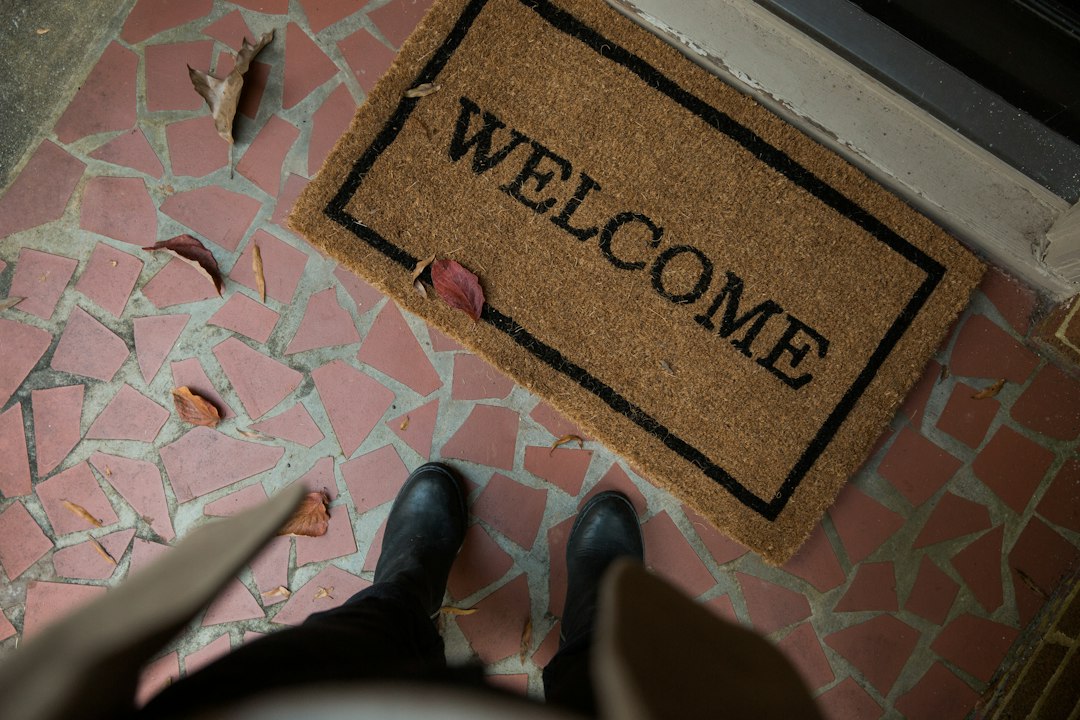
Think back to the homes you’ve most enjoyed visiting over the years. Chances are they weren’t the biggest or the most beautifully decorated. Instead, they were the places where you immediately felt comfortable. You didn’t worry about saying the wrong thing, sitting in the wrong chair, or staying a little longer than planned.
It’s easy to forget that when crafting your own home. But that lesson should drive how you host: Being easy to visit is less about ornamentation or square footage and more about creating an atmosphere where people feel at home.
Put People at Ease Right When They Walk In
The first few minutes of a visit set the tone for everything that follows. Simple gestures make a huge difference:
- greeting people warmly at the door
- taking their coat without making a fuss
- offering them a comfortable place to sit
- asking about their drive or their day
- putting the kettle on without asking if they’d like a drink
These small acts help visitors relax almost immediately, setting the mood for a comfortable stay.
Don’t Feel Pressured to Impress
Many people think they need a spotless house or an elaborate meal to justify inviting someone over. In reality, most guests are hoping for something much simpler: a chance to spend time together. A pot of soup, a plate of cookies, a cup of coffee, or just conversation are remembered far more fondly than a perfectly arranged dining table. People usually remember how they felt in your home, not whether every cushion was perfectly straight or every bite exquisite.
Let Conversation Flow
The most enjoyable visits are those filled with easy, flowing conversation.
Conversations naturally wander, bouncing from one topic to another, sometimes completely unrelated, topic. Family news may shift suddenly into a recent vacation. A book you enjoyed might turn into a new neighbor you met. A gardening success (or failure!) could lead into recipes you’d like to try.
When you try to steer a conversation—including by filling in every silence—these normal shifts are stifled. And it is this very drifting that often leads to the most meaningful and connective conversations we have.
Include Guests in Your Day
One of the nicest things you can do is allow visitors to become part of your day. Perhaps they chat while you finish preparing lunch, help slice vegetables, sit at the kitchen table while you wash dishes, or join you on your usual afternoon walk.
There’s something reassuring about being welcomed into someone’s real life rather than a carefully staged occasion. It shows that the host is at perfect ease existing as they are, making it easier for guests to do the same.
Create Spaces That Invite People to Linger
A welcoming home usually includes little details that encourage people to settle in:
- a comfortable chair with good lighting
- a basket of throw blankets within easy reach
- coffee mugs ready beside the kettle
- books or magazines on a side table
- a shaded spot on the porch for warm afternoons
None of these things are expensive, but together they quietly say, “There’s no hurry.”
Let Guests Help If They Want
Many visitors genuinely enjoy feeling useful. If someone offers to carry dishes to the table, fold linens, or refill the teapot, it’s perfectly fine to accept. Helping gives guests a sense of participation, making them feel more like an extension of the household rather than visitors being waited on.
Plus, some of the best conversations happen while working together.
Welcome Imperfection
The homes people return to again and again are rarely perfect—if any home ever is. The dog may bark at the door. A loaf of bread might brown a little too much. Someone may forget where they put the serving spoon. The lawn might be slightly overgrown.
Those little imperfections signal the presence of life, and they remind everyone that they’re spending time in a real home, not a showroom.
Why This Matters
Being easy to visit isn’t about entertaining—it’s about making people comfortable enough to be themselves. A warm welcome, an unhurried conversation, and an atmosphere of genuine ease leave a much deeper impression than anything increased space or fancier furniture could achieve.