
Most of us have a home, and many of us have spent years at a workplace that shaped our daily routines. But there’s another type of place that often becomes just as important, especially later in life. Sociologists call them third places—the places we visit simply because we enjoy being there.
They aren’t home. They aren’t work. They’re the places where community emerges.
They Give Us a Reason to Get Out
Third places don’t have to involve major commitments or carefully planned events. Sometimes they just provide a pleasant destination for part of the day. That’s why a third place can be nearly anything:
- the local library
- a neighborhood café
- the farmers’ market
- the community center
- a walking trail
- a place of worship
- the curling club
- the local legion
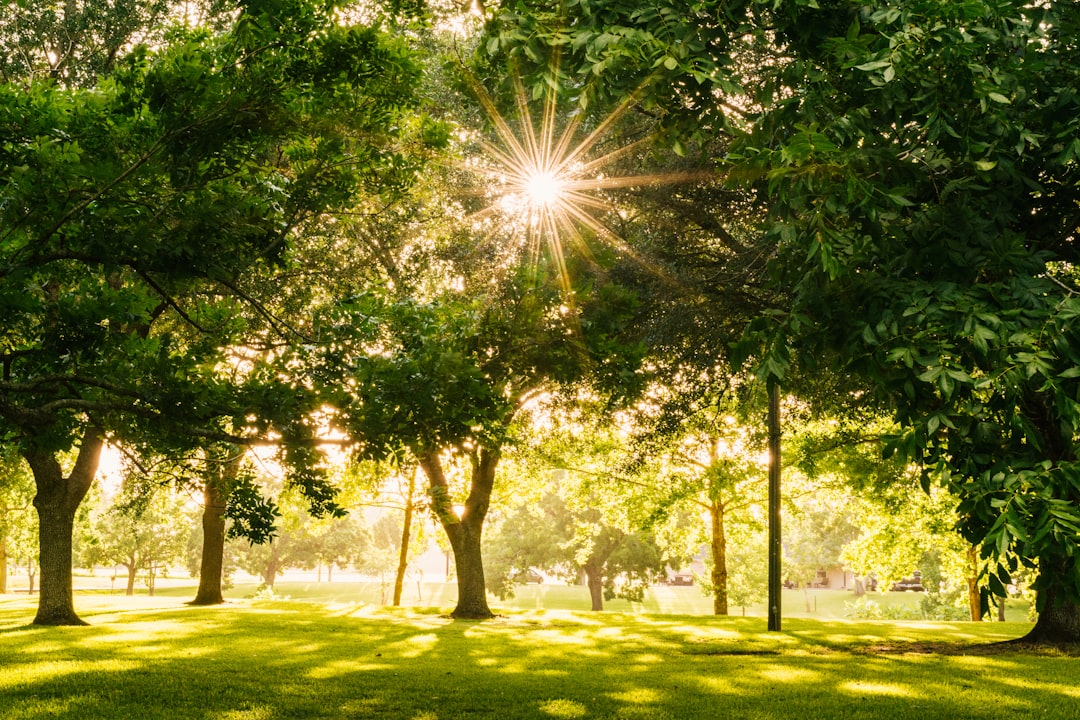
- a favorite park
Having somewhere to go, even for half an hour, can add a welcome sense of variety to the week.
Familiar Faces Are Part of the Experience
One of the nicest things about returning to the same place regularly is that people begin recognizing one another. The librarian recommends a new mystery novel because she knows you like the genre. The person serving coffee remembers your usual order. The volunteer at the community garden lets you know how the hydrangeas are doing. The couple you see on the walking trail each morning asks how your vacation went.
These aren’t necessarily close friendships, but they create a comforting sense of belonging within an extended community.
Conversation Happens Naturally
Third places make conversation feel easy because everyone already has something in common. You might chat about the tomatoes at the farmers’ market, a book you’ve both enjoyed, the birds visiting the park along their migration route, or a community concert coming up.
There’s no pressure to make small talk to suss out points of connection. The surroundings already provide the topic.
You Don’t Have to Stay All Day
One of the advantages of a third place is that it fits comfortably into everyday life. You might spend twenty minutes browsing the library, an hour enjoying coffee and reading the newspaper, a morning doing laps at the local pool, or an evening helping out at a soup kitchen.
The visit doesn’t have to fill the day to make the day feel fuller.
They Make Communities Feel Smaller
As people return to the same places, familiar faces gradually become familiar names. You ask how someone’s holiday went. They remember that your grandchildren visited last weekend. You know you both enjoy hiking, so you agree to meet later at a new trail someone else suggested.
Over time, these small interactions create a stronger sense of connection to the community around you.
Everyone Needs a Place Where They Belong
Perhaps the greatest gift of a third place is the feeling that you’re expected—not in the sense of obligation, but in the sense that people are genuinely pleased to see you. That silent recognition can make an ordinary outing meaningful.
It’s reassuring to know there’s a place where you can stop in, spend a little time, and leave feeling just a bit more connected than when you arrived. It’s also great to know that your presence might be doing the same for someone else.
Why This Matters
Strong communities aren’t built only in our homes or through our families. They also grow in the everyday places where people gather, recognize one another, and chat idly. Finding a third place that feels welcoming can enrich your daily life in ways that are both simple and lasting.