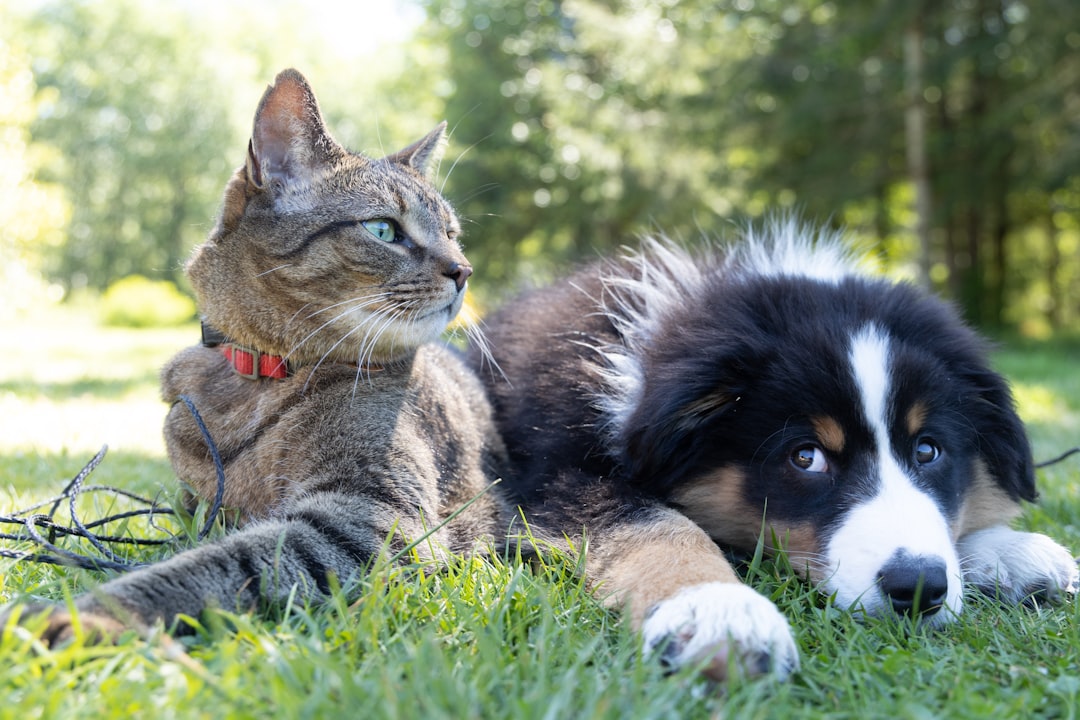
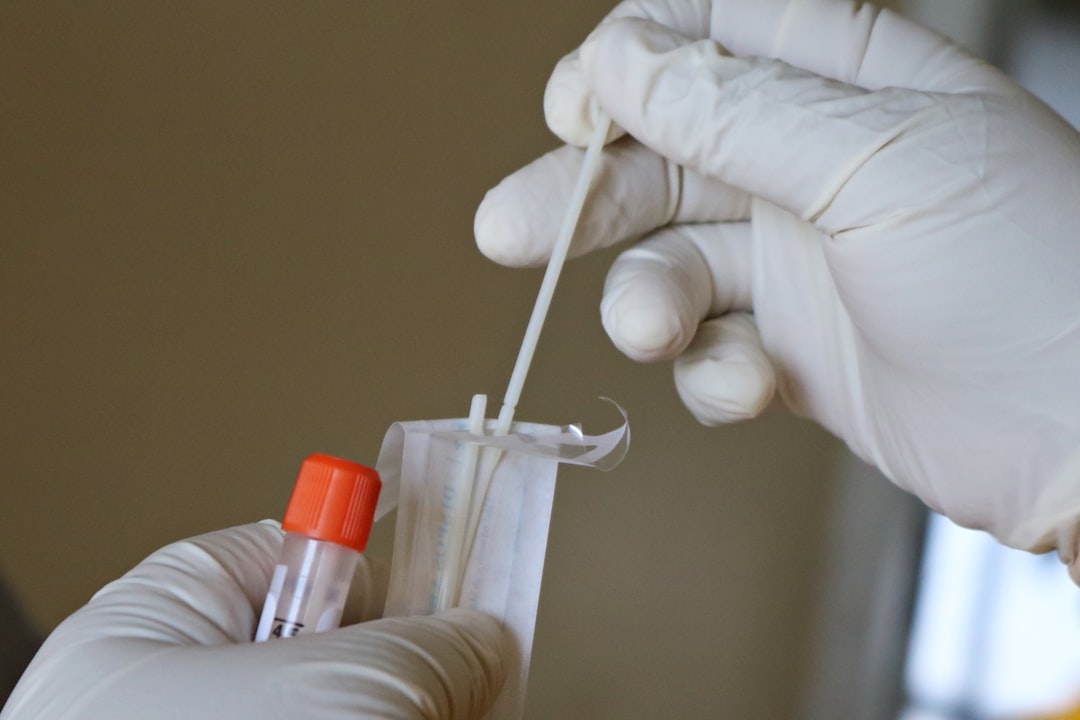
If your dog or cat is due for a rabies booster, or if you’re not sure, now is a good time to check.
Health officials across the country are sounding the alarm. Rabies cases in both wild and domestic animals have been confirmed in 11 states this year, and the Centers for Disease Control and Prevention reports a 17 percent increase in rabies-related inquiries in July and August compared to the same period in 2025.
The most recent case involving a pet dog was confirmed in Louisiana, in the Mire area of Vermilion Parish. The dog was euthanized. Testing on other dogs from the same household is still pending.
Where Cases Have Been Confirmed
Rabies activity has been reported in the following states this year:
- Virginia: rabid raccoon in Suffolk
- Louisiana: rabid dog in Vermilion Parish
- New York: multiple rabid cats and skunks in Elmira
- North Carolina: rabid bats and rabid goats linked to a mobile petting zoo
- California: rabid bat in Yosemite National Park
- Idaho: 24 rabid bats detected, more than in any of the previous three years
- Texas: rabid dog and 22 cases of rabies in wild animals in San Antonio and surrounding Bexar County
- Alabama: rabid fox and raccoon
- Florida: rabid raccoon in Brevard County, triggering a 60-day alert
- Maryland: rabid bats, raccoons and foxes
- Michigan: rabid bat in Saginaw County
Texas recorded its first case of rabies in a pet dog in more than a decade. Virginia and Florida both issued public warnings after local animals tested positive.
The Single Most Important Thing You Can Do Right Now
Pull out your pet’s vaccination records. Louisiana requires dogs, cats, and ferrets over three months of age to be vaccinated against rabies, and many other states have similar rules for dogs.
The Jennings Animal Shelter in Louisiana put it plainly in a recent post:
“Rabies is preventable, but once symptoms develop, it is almost always fatal. Please don’t wait for an exposure to find out your pet is overdue.”
The American Veterinary Medical Association echoed that message, urging all pet owners to verify their animals’ vaccination records following the Louisiana case.
Use of rabies vaccines has risen 33 percent this year, according to the CDC. Use of rabies immunoglobulin, the treatment given after a possible exposure, has increased by 76 percent.
Which Animals Are Most Likely to Carry Rabies
According to the Mayo Clinic, the animals most likely to transmit rabies in the United States are bats, coyotes, foxes, raccoons, and skunks. These are exactly the kinds of animals your dog or cat might encounter in the backyard, on a walk, or near a wooded area.
Officials are urging pet owners to supervise animals outdoors and avoid letting pets interact with wildlife.
How to Tell If Your Pet May Be Infected
Early signs of rabies in animals can look like many other illnesses. Watch for fever, unusual tiredness, loss of appetite, or any change in behavior. A friendly pet that becomes withdrawn or aggressive is worth a call to the vet. A timid pet that suddenly seems more wound-up than usual is, too.
As the disease progresses, neurological symptoms can develop. These include excessive drooling, difficulty swallowing, weakness, lack of coordination, paralysis, seizures, and unusual vocalizations.
If your pet has had contact with wildlife and then starts acting differently, the Fitzgerald Animal Hospital advises seeking veterinary attention right away. Their recent guidance adds:
“Do not pet or touch any wild animals. Please be cautious of abnormal behavior such as a typically nocturnal animal that is out during the daytime, excessive salivation and aggression.”
What If You or Someone You Know Is Exposed
The World Health Organization states that once clinical symptoms begin and the virus reaches the central nervous system, death is considered inevitable. That is why acting fast matters so much.
Rabies does not spread through casual contact. You cannot get it by touching an infected animal’s fur, blood, or urine. The virus spreads through the bite or scratch of an infected mammal, or when infected saliva enters an open wound or makes contact with the eyes, nose, or mouth. Human-to-human transmission is extremely rare.
Because the virus travels through the nervous system, symptoms can take weeks or even months to appear after an exposure. If you are bitten or scratched by an animal you suspect may be infected, seek medical attention immediately; do not wait for symptoms.
People who may have been exposed can receive post-exposure treatment, which typically includes wound cleaning, rabies immunoglobulin, and a series of vaccine doses. When given promptly, the treatment can prevent the disease from developing.
Symptoms in People
For reference, human rabies symptoms can include:
- Fever and headache
- Anxiety, agitation, or confusion
- Hyperactivity or insomnia
- Nausea and vomiting
- Excessive salivation
- Difficulty swallowing
- Partial paralysis
- Hallucinations
- Fear brought on by attempts to drink fluids or by air blown on the face
Pre-exposure vaccination is recommended for certain higher-risk groups, including veterinarians, animal control workers, wildlife professionals, and laboratory workers who handle the virus. The general public is not routinely vaccinated.
The bottom line is simple. Check your pet’s records. Keep vaccinations current. And if you see a wild animal behaving strangely out during daylight when it shouldn’t be, moving awkwardly, showing no fear of people, keep your distance and keep your pet close.