You have probably heard a lot lately about gut health. It shows up on food labels, in doctor’s offices, and all over the news. But what does it actually mean and why does it matter more as we get older?
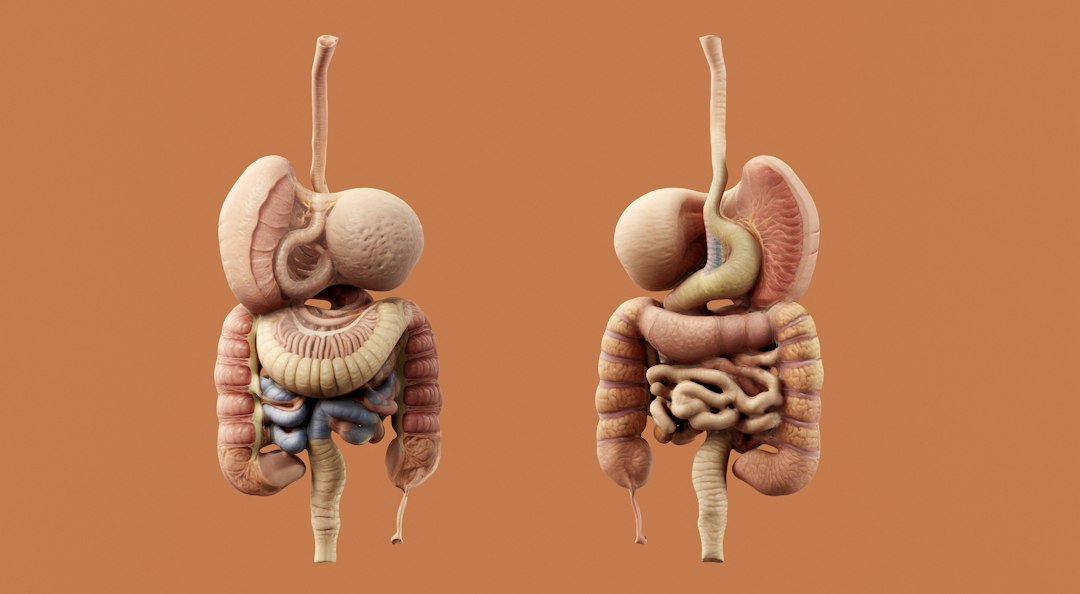
The answer starts with something called the gut microbiome. That is the community of bacteria and other tiny organisms that live in your digestive tract. There are trillions of them. And according to Dr. Julia Loewenthal, assistant professor at Harvard Medical School and a geriatrician at Lutanen Health in Boston, they do a lot more than just help you digest your dinner.
What Your Gut Is Actually Doing
“The gut is actually full of good or neutral bacteria and other microorganisms that help with digestion and metabolism,” Dr. Loewenthal said to National Council on Aging. “It even plays a role in the immune system and mental health, as large parts of the immune system are in the gut.”
Here is a quick picture of what those microorganisms are doing for you every day:
- Breaking down food. Gut microbes help digest certain types of fiber that your body cannot handle on its own. As they break it down, they produce compounds your gut cells can use.
- Making nutrients. These microbes can produce vitamins and other useful compounds, including short-chain fatty acids, which support the health of your gut lining.
- Strengthening your immune system. The majority of the body’s immune tissue is actually located in the gut, Dr. Loewenthal said. Your microbiome helps train immune cells to tell the difference between something harmful and something harmless.
- Talking to your brain. “Your gut and brain are in constant communication through what is called the gut-brain axis,” Dr. Loewenthal said. This connection involves the nervous system, immune signals, and chemicals like serotonin. Researchers are still learning how the gut microbiome may affect mood, stress, and brain health.
The National Institutes of Health began studying the microbiome as part of the Human Microbiome Project in 2007. What researchers found, and are still discovering, is that the unique mix of microbes in your gut is connected to immunity, many chronic diseases, and more.
How the Gut Changes as We Get Older
Here is something worth knowing. The variety of bacteria in your gut tends to decline with age. And that matters.
“Microbial diversity tends to decline with age, and that decline is associated with increased inflammation, as well as reduced immune resilience,” Dr. Loewenthal said. “But this change doesn’t occur at the same pace for everyone. What you eat, how often you exercise, stress levels, and medication use all influence how the gut microbiome changes with age.”
That is actually good news. It means your daily habits have a real effect. You are not just along for the ride.
Simple Steps That Support a Healthy Gut
You do not need a special diet or an expensive supplement to start taking care of your gut. Dr. Loewenthal put it plainly: “So often, patients look for a superfood or a supplement that will ‘heal their gut.’ What actually improves the gut microbiome is a diverse diet full of fiber, healthy protein sources, probiotics, prebiotics, and more. Pair that healthy diet with regular physical activity, and things like walking or gardening count; stress management practices and visiting a healthcare provider regularly, and you have a solid plan.”
Here is what that looks like in practice:
- Eat a wide variety of foods. Include different fruits, vegetables, whole grains, beans, nuts, seeds, and healthy protein sources.
- Add more fiber. Fiber feeds helpful bacteria in your gut. Good sources include beans, berries, vegetables, oats, and whole grains.
- Try probiotic foods. Yogurt with live cultures, kefir, sauerkraut, and kimchi can add beneficial bacteria to your gut.
- Eat prebiotic foods. Onions, garlic, bananas, asparagus, oats, and beans contain fibers that feed those beneficial bacteria.
- Stay active. Some research indicates that a combination of aerobic and resistance training significantly increases the variety of microbiota in the gut, which is linked to better health.
- Manage stress. Long-term stress can affect digestion and the gut microbiome. Walking, reading, or spending time with friends can all help.
- Talk with your doctor. Regular checkups are a good time to bring up any digestive changes and to review whether any medicines may be affecting your gut.
Probiotics and Prebiotics: What Is the Difference?
You see both words everywhere. Here is the simple version. Prebiotics are fibers that feed helpful bacteria already living in your gut. Probiotics are live bacteria that can add new beneficial strains to the mix.
“Both are essential and you can get either from supplements,” Dr. Loewenthal said. But she added that food is the better source whenever possible, especially for probiotics. “Getting probiotics from your diet allows you to get more strains of probiotics, whereas supplements often have a high concentration of one type. When it comes to the gut microbiome, we always want to be thinking about diversity.”
Most older adults do not need a gut supplement if they eat a varied diet and have no specific health concerns. If you are considering one, Dr. Loewenthal suggests looking for a probiotic that lists specific strains on the label and checking with your healthcare provider first, especially if you take other medications.
When to Bring It Up With Your Doctor
You do not have to wait for a serious problem. Digestive changes are worth mentioning at your regular checkup, especially if they keep happening or are getting in the way of daily life.
“Since gut health impacts so many aspects of our health, I regularly check in with patients about their gut,” Dr. Loewenthal said. Specific signs to mention include bloating, changes in bowel movements, chronic acid reflux, and ongoing abdominal pain.
If you notice any of those, bring them up. Your gut has been working hard for you your whole life. A little attention now can go a long way.