Think back to your own school days. Maybe your teacher was strict. Maybe you had to raise your hand to speak or stand up when the principal walked in. Whatever the rules were, they were nothing like what children faced in a Victorian classroom.
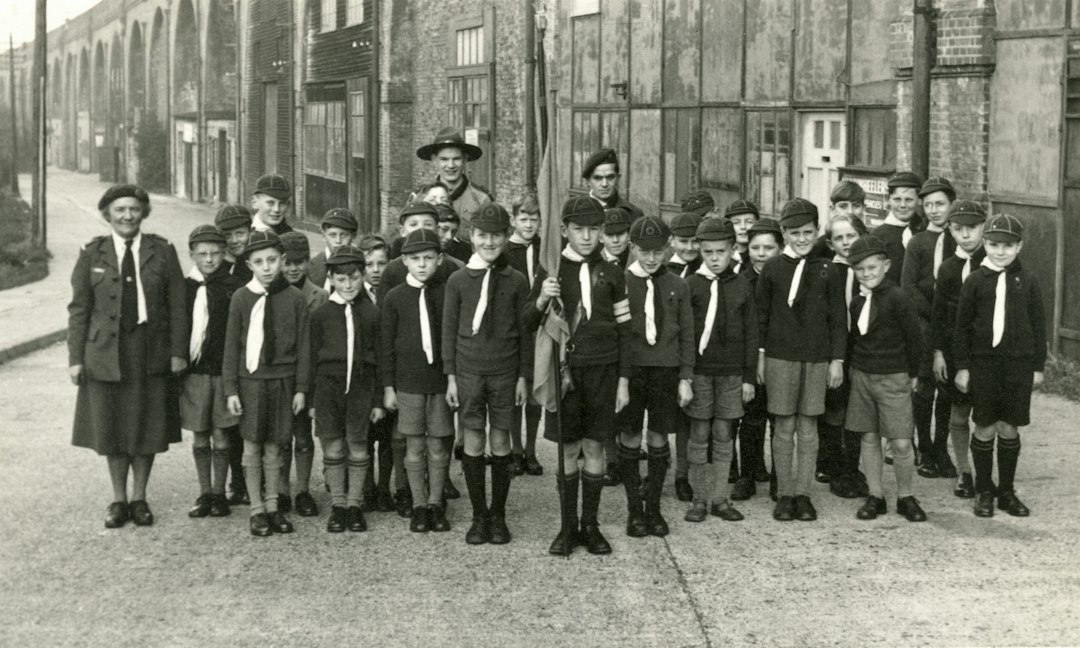
For most of the 1800s, only wealthy children received any real education, usually from a private tutor at home. Poor children were expected to work, not study. That began to change in the 1840s when so-called “ragged” schools opened their doors, offering free lessons and a hot meal to the poorest kids. By 1870, Britain’s Education Act made school mandatory for all children between ages 5 and 13.
But getting into a classroom was just the beginning. Victorian school days ran from 9 in the morning until 5 in the evening. They began with prayers, moved into long repetitive lessons, and were held together by a set of rules that left almost no wiggle room. Here is what those children faced every single day, according to Mental Floss.
Boys and Girls Were Kept Separate
Victorian schools were segregated by gender. Boys and girls even used separate entrances. Even in small village schools with only a handful of students, boys and girls sat and learned apart from each other.
You Bowed or Curtsied at Roll Call
When the teacher called attendance each morning, students stood while their names were read aloud. Boys were expected to bow and girls to curtsy while answering “present.” It was not optional.
Stand When Any Adult Enters the Room
Victorian society ran on strict codes of etiquette, and classrooms reflected that completely. Any time an adult walked through the door, every pupil was expected to rise immediately as a show of respect.
Teachers Were “Sir” or “Miss”, Always
Referring to a teacher by anything other than “sir,” “miss,” or “ma’am” was simply not done. Interestingly, this is one Victorian rule that still survives in many schools today.
No Talking Unless Called Upon
Victorian classrooms were quiet. Students were expected to stay completely silent unless the teacher called on them directly. There was no group work and no asking questions, even if you had no idea what the lesson was about. When you were called on, you stood up to give your answer.
Left-Handers Had to Write Right-Handed
Every child, no matter which hand felt natural, was required to write with their right hand. The reasons were a mix of practicality, old superstition, and what we would now call pseudoscience: left-handedness was even considered a developmental issue that could be “cured” in the Victorian era. Some teachers reportedly tied left-handed students’ hands behind their backs to force compliance.
Sit Up Straight and Keep Still
Much of the school day involved learning by rote: memorizing, copying, or reading aloud the words, multiplication tables, Bible verses, and grammar that the teacher wrote on the chalkboard. During these exercises, students were expected to sit perfectly upright with their hands placed palms down on the desk. No slouching. No fidgeting.
Break a Rule and Pay the Price
Punishment in Victorian schools was swift and often harsh. Children could be punished for talking, fidgeting, being late, answering back, turning in poor work, or simply learning more slowly than their classmates. Slower students were made to stand in the corner wearing a dunce’s cap, a tall conical paper hat with a large letter D on it. Teachers could also dole out physical discipline for misbehavior.
It is a long way from the classrooms most of us remember. Even on our strictest school days, we had it pretty good by comparison.