
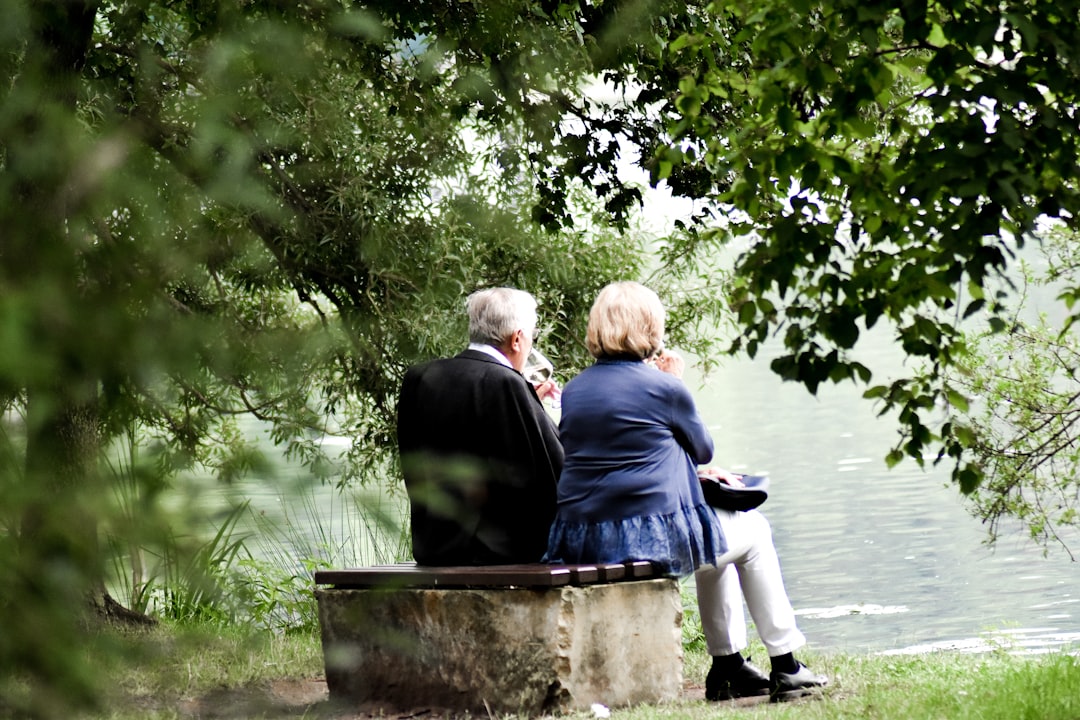
You have been together for decades. You know each other’s coffee order, sleep habits, and the stories that come out at dinner parties. So what keeps some couples genuinely happy at this stage and what separates them from those who drift apart?
Parade put that question to three psychologists who work with couples every day. The answers had a lot in common.
It Is Not About Fighting Less
Here is the first thing all three experts want you to know: happy couples still argue. The difference is what happens next.
“Psychology consistently shows that healthy relationships aren’t conflict-free; they’re repair-rich,” says Dr. Holly Schiff, PsyD, a psychologist with South County Psychiatry in Connecticut. “Every couple disagrees. What matters most is how they recover afterward.”
Dr. Crystal Saidi, PsyD, a psychologist with Thriveworks in Irvine, CA, puts it this way: “Happy couples are not necessarily the ones who argue less, but the ones who know how to repair more effectively after conflicts.”
Dr. Beverley Fehr, PhD, an author and professor at the University of Winnipeg, calls this approach “constructive” conflict and she says it is one of the clearest signs of a strong partnership.
Three Things Strong Couples Practice
The psychologists point to three qualities they see again and again in couples who stay close over time.
Good communication. Not just talking, but listening and choosing connection over being right. Dr. Saidi says the couples who do well have learned to reach for each other after a disagreement instead of pulling away.
Acceptance. People change. The person you married at 30 is not quite the same person sitting across from you at 65. Dr. Schiff explains that lasting marriages are “built on understanding each other’s strengths, accepting imperfections and continuing to choose one another over time.” Dr. Saidi adds that strong couples “make the effort to keep getting to know each other instead of assuming they already do.”
Dr. Fehr says it also matters that each partner feels the other will “be there” for them, no matter what.
Adapting together. Life after 50 brings real changes: retirement, kids moving out, health shifts, new routines. Dr. Schiff says the couples who thrive “learn how to face life’s changes as teammates instead of opponents.”
The One Habit All Three Experts Agree On
Ask three psychologists what separates couples who stay happy from those who do not, and they all land on the same word: curiosity.
“They don’t stop being curious about each other simply because they’ve been together for years,” Dr. Schiff says. “They continue investing in the relationship, even after the honeymoon phase has long passed.”
Dr. Fehr backs this up with research. “Over time, it can feel as though you know everything about your partner,” she says. “Research shows that couples who are happy over the long haul put effort into doing new and exciting things together.”
Along with curiosity, Dr. Saidi and Dr. Schiff both mention another habit: assuming positive intent. Instead of jumping to the worst interpretation of what a partner says or does, happy couples give each other the benefit of the doubt. They approach disagreements with curiosity, not criticism.
What the Research Says About Long Marriages
Dr. Schiff makes an important point that is easy to forget: “Satisfaction in marriage isn’t something couples achieve once and then keep forever.” It takes ongoing attention.
“The couples who remain happy over the long term continue nurturing the relationship through everyday acts of kindness, appreciation and emotional responsiveness,” she says.
And the payoff is real. Dr. Fehr points to decades of research showing that people in happy marriages enjoy better physical, mental, and emotional health and even live longer than those who are unmarried or in unhappy relationships. “So it is worth the effort to show appreciation and gratitude to your spouse and spend high-quality time with them,” she says.
How to Reconnect in Your 50s and Beyond
All three experts agree on the best way to bring new life to a long relationship: do something new together.
“It will give you a fresh perspective on your partner at a time when you feel you may know everything about them,” Dr. Fehr says, “and it will re-ignite the spark in your marriage or make it glow brighter.”
She suggests a play, a picnic in the park, or a dance class. Dr. Saidi recommends a cooking class, hiking, pickleball, or a weekend away. Even just putting the phones down and talking about the future, not only the past, can make a difference.
Dr. Schiff encourages couples to be intentional again. “Ask each other questions you haven’t asked in years,” she says. “Schedule regular date nights, even if they’re simple. Make time to laugh. Physical affection, shared hobbies and expressing gratitude all help rebuild emotional closeness.”
The good news? None of this requires a grand gesture. A walk, a question, a meal you have never tried before. After all these years, there is still more to discover.