
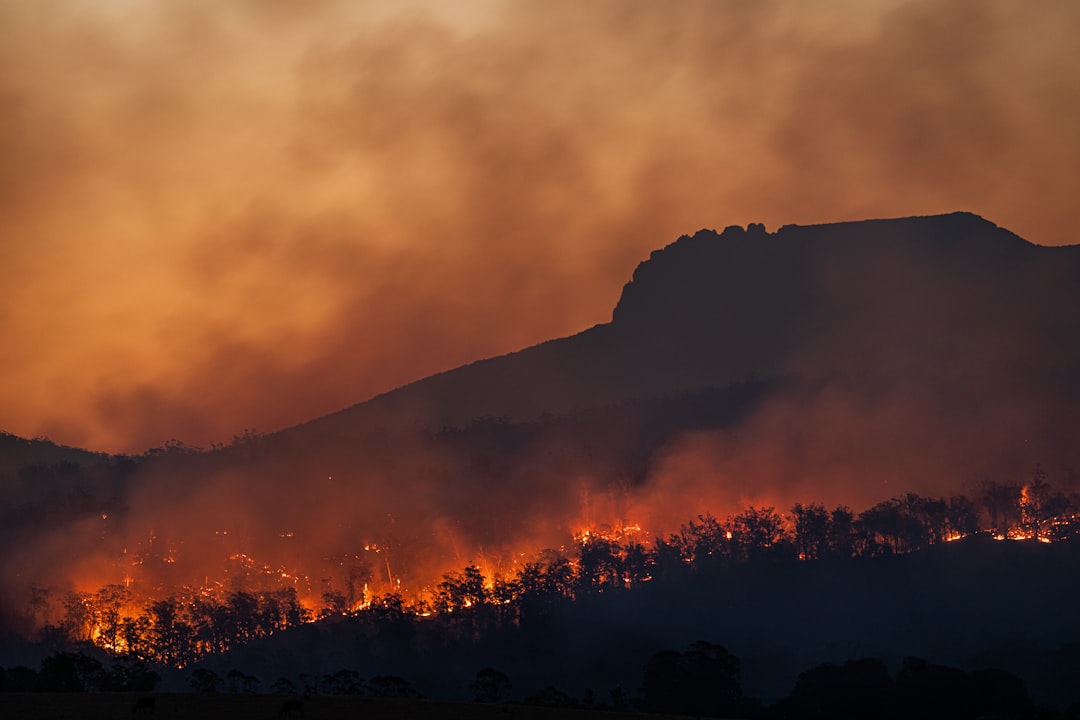
You do not have to live near a wildfire to feel its effects. Wildfire smoke can linger in the air for weeks and travel thousands of miles from where the fire started. That means the hazy sky over your neighborhood could be carrying something more serious than it looks.
Researchers say wildfire smoke is not the same as ordinary air pollution and that distinction matters. According to Kent Pinkerton, co-director of the Center for Health and the Environment at the University of California, Davis, laboratory experiments show that wildfire smoke causes more inflammation and tissue damage than regular air pollution.
A Wide Range of Health Concerns
The list of health effects linked to wildfire smoke exposure is longer than many people realize. Reports from the article note connections to sore throats, asthma, heart attacks, heart disease, fungal infections, and chronic illness.
Researchers have also found links to dementia. For pregnant women, exposure has been associated with miscarriage and low birth weight.
The Cancer Connection
A 2026 U.S. study linked wildfire smoke exposure to elevated risks for several types of cancer, including lung, colorectal, breast, bladder, and blood cancer. The study found that the risks increased along with the level of pollution coming from the fires.
That finding is a reminder that even moderate smoke exposure, not just living near the fire itself, may carry real health consequences over time.
What the EPA Tracks
The U.S. Environmental Protection Agency monitors air quality during wildfire events. Checking those readings when skies look hazy, even on days that seem mild outside, can help you make smarter decisions about when to stay indoors.
The bottom line from researchers is straightforward: wildfire smoke is more harmful than the smoky smell alone might suggest. On days when smoke is in the air, staying inside with windows closed is one of the most practical things you can do for your health.