You have probably seen the headlines. Ultra-processed foods are everywhere, and health officials are sounding the alarm. Last summer, U.S. health officials announced plans to address concerns about these foods, linking them to what they called an “epidemic” of chronic disease.
But what does the science actually say? The answer is more nuanced than the headlines suggest.
What Makes a Food “Ultra-Processed”?
Almost everything we eat has been processed in some way. Washing, chopping, cooking, or refrigerating food all count as processing. The line between processed and ultra-processed is not always obvious.
Here is a rough breakdown of the four levels:
- Unprocessed or minimally processed: Foods in or close to their natural state. A fresh apple, raw meat, or pasteurized milk.
- Processed culinary ingredients: Things like flour, salt, cooking oils, and ground herbs, made from whole foods through pressing or milling.
- Processed foods: When those ingredients come together to make something like fresh-baked bread, canned fruit, pickles, or cheese.
- Ultra-processed foods: These include at least one industrially produced ingredient like artificial sweeteners, colors, or flavors; hydrogenated fats; emulsifiers; preservatives; or fortified nutrients like iron and vitamin B.
Ultra-processed foods make up as much as 70 percent of the American diet. That is a staggering number.
What Research Has Found
A large 2024 analysis published in the BMJ looked at data from nearly 10 million people. It found that higher consumption of ultra-processed foods was potentially linked to 32 negative health outcomes. The strongest associations were with obesity, type 2 diabetes, cardiovascular disease, and certain mental health conditions.
Angela Zivkovic, a nutrition researcher at the University of California, Davis, explained two main concerns. First, these foods make it easier to overeat and gain weight. Second, they often crowd out the nutrient-dense whole foods our bodies need.
Many health organizations advise cutting back on ultra-processed foods, especially those high in salt, sugar, and saturated fats and replacing them with more nutritious options.
But here is the important caveat. Despite those associations, researchers have not established that ultra-processed foods directly cause disease. In the BMJ analysis, none of the studies reviewed were rated high quality. Much of the evidence was described as “weak” or merely “suggestive.”
Not All Ultra-Processed Foods Are the Same
Here is something worth knowing before you clear out your pantry. The category “ultra-processed” is broader than you might think.
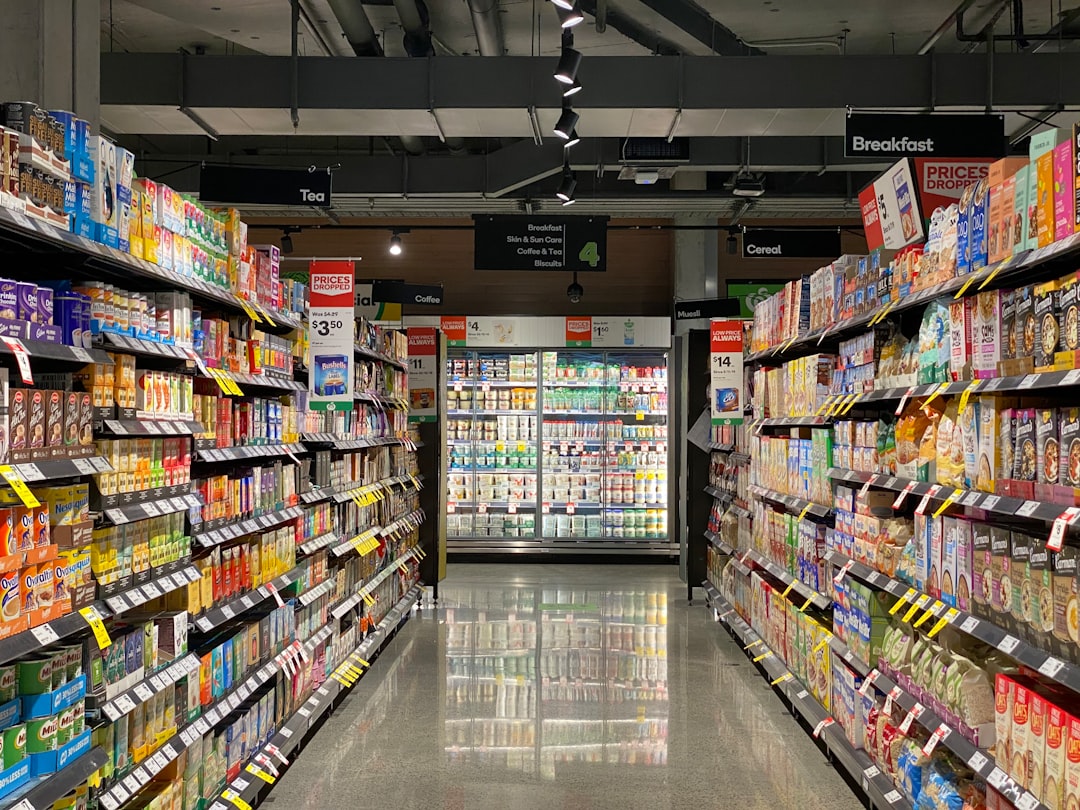
Milk alternatives, packaged bread, breakfast cereal, store-bought pasta sauce, and flavored yogurt all qualify as ultra-processed. So do foods fortified with vitamins and minerals and those can be genuinely good for you.
In fact, since 1998, the U.S. has required enriched grains to be fortified with folic acid. That single policy has been credited with dramatically reducing certain serious birth defects.
The International Food & Beverage Alliance noted in a 2025 statement that health authorities around the world have declined to use the ultra-processed food concept as a basis for public health policy, citing the lack of scientific consensus on how to define it.
The Debate Over SNAP Restrictions
As of January 2026, at least 18 states had placed restrictions on which foods can be purchased with federal food assistance benefits, known as SNAP. Five more states had proposed similar policies. The restrictions cover many snack foods, frozen meals, sweetened drinks, packaged desserts, gums, and dried fruits. Federal health officials commended the early adopters of these policies.
Some nutrition experts are concerned, though. Ultra-processed foods are often inexpensive, widely available, and shelf-stable. For many families, including older adults and people with disabilities, they provide a meaningful share of daily calories and nutrients.
About one in 10 Americans lives in a food desert, without easy access to a full-service grocery store. In those areas, packaged and shelf-stable foods are often among the most reliably available options.
What This Means for You
The science on ultra-processed foods is real but still developing. Cutting back on foods that are high in sugar, salt, and saturated fats is generally a reasonable goal. But not every item on the ultra-processed list deserves the same level of concern.
If you have questions about your own diet and what changes might make sense for you, your doctor or a registered dietitian is the best person to ask.