Bad weather has a way of canceling the best intentions. You were all set for your walk, and then the rain showed up. If you do not have a treadmill at home, that can feel like a lost day.
But there is a walking workout you can do entirely inside: no equipment, no gym membership, no cost. Experts say the health benefits are genuinely impressive. And it works in a space as small as your living room or hallway.
What Is Tai Chi Walking?
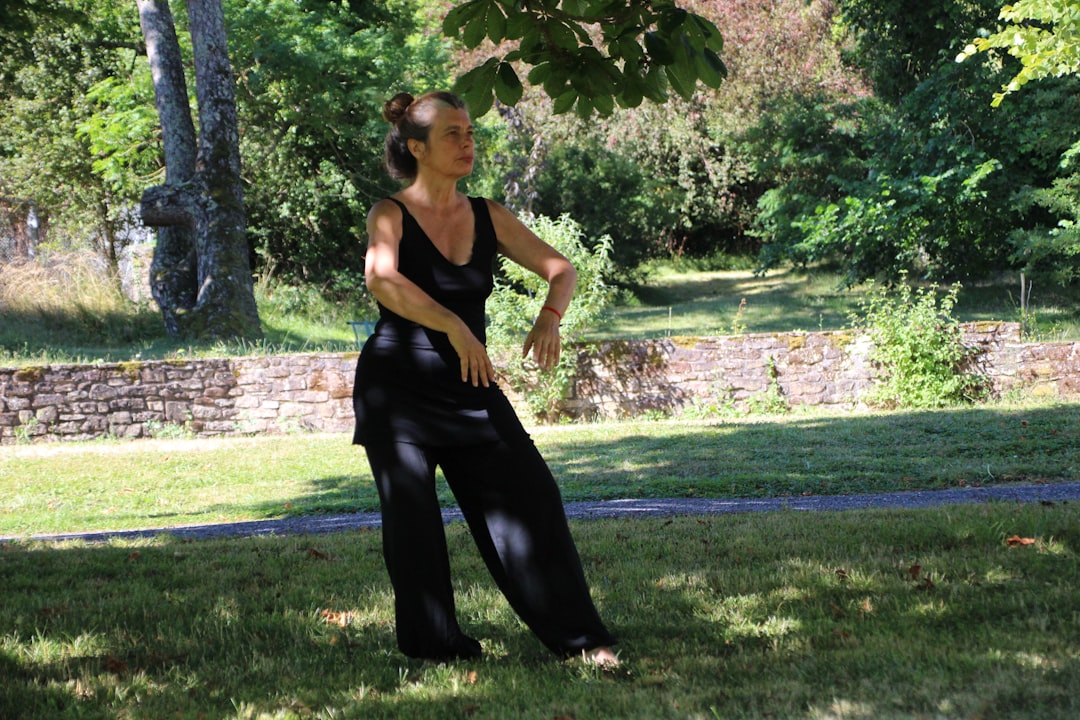
Tai chi walking is a slower, more mindful form of movement. Raymond Li, a personal trainer and tai chi teacher at Manhattan Tai Chi, explained to Parade that it requires very little space. In fact, he says indoor practice is often ideal, especially for older adults and beginners.
The focus is not on how far or how fast you go. According to Li, it is about how you shift your weight, how you place your feet, how you hold your posture, and how aware you are as you move. He points to a saying from traditional Chinese martial arts: you should be able to practice in a space no bigger than where an ox lies down.
What It Does for Your Body and Mind
Regie Tiu, a physical therapist and founder of Restore Plus Physical Therapy in Long Island City, New York, says the benefits of indoor tai chi walking match those of doing it outside. That includes better balance and stability, stronger core and leg muscles, reduced joint strain, and support for cognitive health.
The slow movement and weight-shifting work your muscles and improve balance whether you are inside or out, Tiu says. Outdoors on uneven ground, your body makes small constant corrections that add a bit of extra balance training. Indoors, the surface is more predictable, which is actually an advantage when you are just starting out.
A 2017 study found that tai chi improved cognitive function in healthy older adults more than brisk walking did. Researchers noted that tai chi especially helped with executive functioning, the brain skills used to plan ahead, focus attention, remember instructions, and juggle multiple tasks at once.
The workout also reduces anxiety and depression and lowers the risk of falls, according to research cited by the experts.
Dr. Syd Young, a physical therapist and founder of Out Wellness, puts it simply: the best approach is both. Indoors for daily skill-building, outdoors when conditions allow.
How to Get Started Safely at Home
Before you take your first tai chi steps indoors, the experts have a few practical suggestions. Li says to find a stable, non-slip surface free of obstacles. Dr. Young is specific about what to clear: throw rugs, cords, clutter, and pets. Good lighting matters, and for the first few weeks, stay within arm’s reach of a countertop or sturdy piece of furniture.
Keep your first sessions short. Dr. Young notes that slow walking is more tiring than it looks, and fatigue is when balance and form tend to slip.
As for footwear, all three experts say you can do tai chi walking barefoot, in grippy socks, or in shoes. Going barefoot gives your feet sensory feedback and engages the small stabilizing muscles. But Tiu cautions that for anyone with neuropathy, diabetic foot, or numbness, bare feet on hardwood or tile floors can increase the risk of slipping. In those cases, grippy socks or shoes are the safer choice.
Li adds that supportive shoes offer cushioning, arch support, and stability, which can be especially helpful for older adults. If balance is a concern, shoes are the safest bet.
If you want to see what tai chi walking looks like before you try it, online tutorials can walk you through the basics.
As Dr. Young puts it, indoor tai chi walking removes nearly every excuse. No equipment, no class fee, no weather, no driving. All you need is a hallway and a few unhurried minutes.