Whereas some stores invite people to slow down and look around, others make you want to leave as quickly as possible, even if you can’t immediately explain why.
The difference often has less to do with what’s being sold and more to do with atmosphere, pacing, layout, and how people experience the space while moving through it.
Pace Influences the Entire Experience
Pleasant stores usually allow people to move at a comfortable rhythm. Wide aisles, logical organization, and enough space to pause without blocking other shoppers immediately imbue customers with a calmer experience.
Conversely, stores that feel rushed often exert a subtle pressure that manifests in various ways:
- crowded layouts
- carts blocking aisles
- loud announcements
- constant movement
- difficulty finding things
Even small amounts of friction accumulate surprisingly quickly.
Lighting and Sound Affect Mood More Than People Realize
Bright fluorescent lighting, loud music, or constant background noise can make browsing tiring, sometimes overwhelming, even during short visits. On the other hand, softer lighting, quieter environments, and calmer acoustics tend to encourage people to linger longer and pay more attention to what’s around them.
People frequently describe the latter stores as “comfortable” without consciously realizing how much their sensory environment contributes to that feeling.
Familiar Layouts Reduce Mental Effort
One reason some people return repeatedly to the same grocery, store, or bookstore is simple familiarity. Knowing where things are located reduces decision fatigue and minimizes stress. Out simply, familiar environments allow attention to shift from “figuring out the space” toward actually enjoying the experience.
This predictability in turn fosters c.
Pleasant Stores Encourage Discovery
Some stores feel enjoyable because they create opportunities to notice unexpected things:
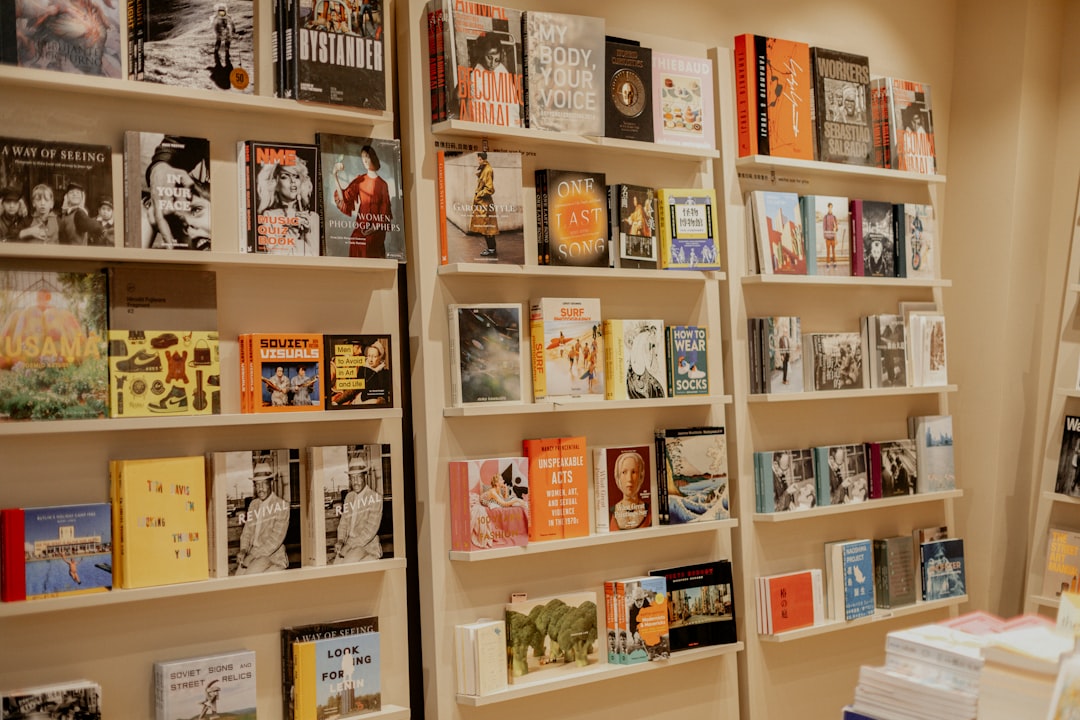
- a book display near the entrance
- seasonal items arranged thoughtfully
- handwritten recommendations
- interesting objects grouped together naturally
Browsing becomes more satisfying when it feels exploratory rather than purely transactional—and ironically, customers may be more inclined to spend their money when a sale isn’t such an overt goal.
The People Matter Too
Employees also significantly shape a store’s atmosphere. People tend to relax more in environments where interactions feel human rather than mechanical.
A calm and polite cashier, a helpful representative, and approachable (but not hovering) can be the difference between a place seeming warm and welcoming or cold and hostile.
Some Stores Become Community Spaces
Certain bookstores, garden centers, bakeries, markets, and hardware stores become more than shopping destinations; they become a place of gathering People greet familiar faces there, stop to catch up with neighbors, or browse even when they don’t urgently need anything.
These spaces serve as much more than businesses; they represent spaces where people gather.
Why This Matters
The emotional experience of everyday places heavily influences how people move through their days. Stores that feel calm, navigable, and welcoming create small moments of ease that linger longer than people expect—and bring them back in the future.