
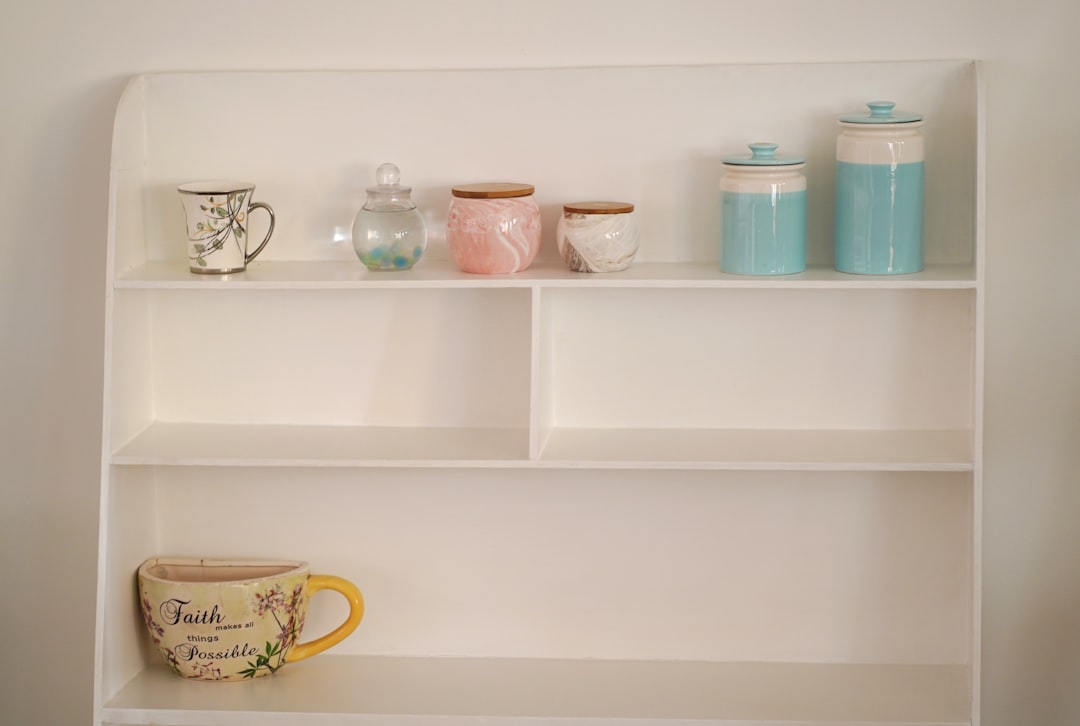
There’s a particular kind of peace that comes from moving through a home without constantly searching for things. Knowing exactly where the scissors are, where extra batteries are kept, or which drawer holds the measuring tape may seem minor on the surface, but these small forms of familiarity quietly shape how we experience daily life.
Familiar Systems Reduce Low-Level Stress
Every time people search for misplaced items, a task gets interrupted and mental energy expended. A few minutes spent looking for keys, reading glasses, or paperwork may seem insignificant individually, but repeated over time, these small disruptions lead to frustration and mental clutter.
On the other hand, when things consistently return to their designated places, everyday tasks become smoother, almost automatic.
Predictability Produces a Sense of Control
Homes are more manageable when systems remain stable. Knowing where items belong creates confidence because the environment becomes easier to navigate mentally as well as physically. You don’t need to stop and think before completing ordinary tasks.
That predictability often generates an emotional steadiness people don’t fully notice until it’s missing.
Organized Doesn’t Necessarily Mean Minimal
Interestingly, people can know where everything is even in homes that are full of books, collectibles, children’s toys, or other belongings.
An organized home has more to do with systems and routines than with minimizing possessions. A garage full of tools can still feel calming if you know exactly which drawer the screwdrivers, tape measure, or drill bits are in.
Familiar Placement Builds Rhythm
Over time, repeated placement forms physical memory through association:
- Mugs are stored beside the kettle.
- Scissors are kept in the kitchen drawer
- Mail resides near the front entry.
- Blankets accumulate in the same basket.
When any of these items are needed, your body moves to them naturally, even rhythmically, allowing you to continue to go about your day without interruption.
Shared Spaces Work Better When Everyone Understands the System
Homes often feel calmer when family members or guests can navigate them easily too. Clear, predictable organization reduces the need for constant explanation:
- “The extra towels are in the hall closet.”
- “Flashlights are in the top drawer.”
- “Tea is always in that cabinet.”
These small consistencies help the entire household function more smoothly, even for those who don’t live there.
Certain Objects Become Emotional Anchors
Some items provide comfort partly because they remain exactly where they’ve always been. A familiar chair, a favorite mug, a cookbook on the same shelf for years—these objects create continuity within everyday life. Their predictability becomes emotionally reassuring.
Why This Matters
Knowing where things are removes countless small interruptions from daily life. More importantly, over time, it creates an environment that feels reliable, navigable, and supportive and that lets you focus on the things that matter.