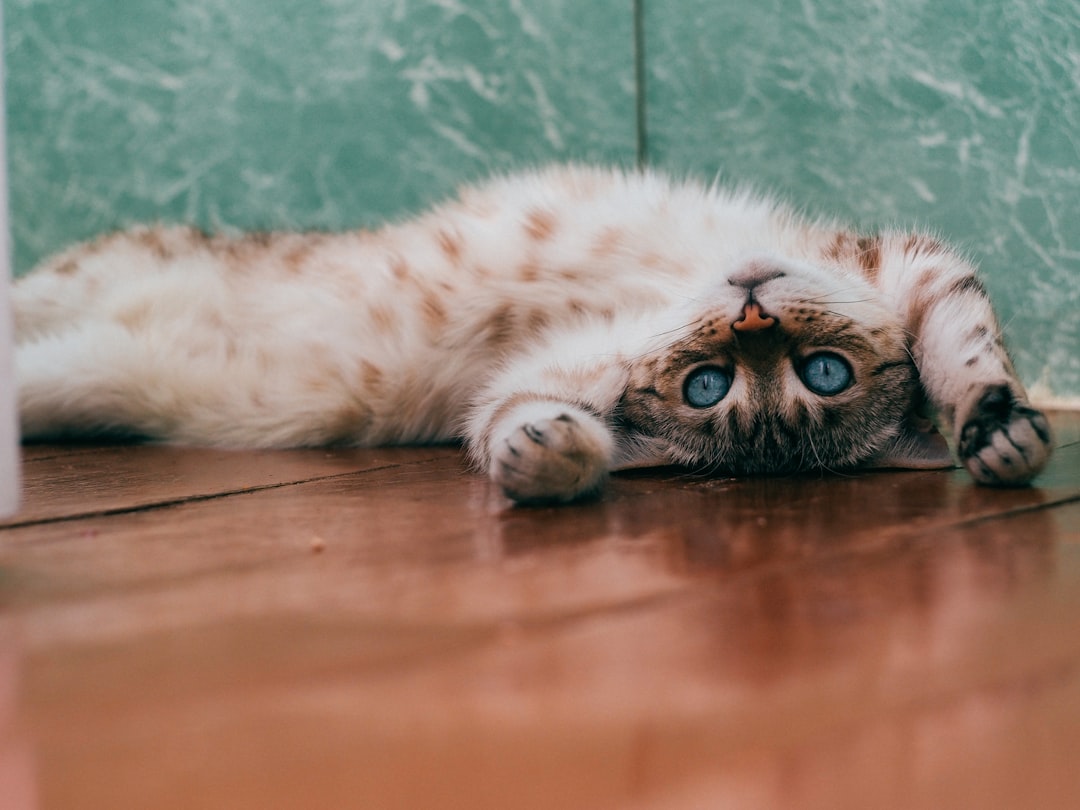
Your cat catches your eye, then drops dramatically onto the floor, rolling onto its back with all four paws in the air. That fluffy belly is right there, just begging to be rubbed.
Sound familiar? Most cat owners have been there. And most of us have also learned the hard way what can happen next.
Amanda Campion, a certified cat behaviorist with more than 30 years of experience, wants you to know something important: that flop is not always an invitation to touch.
What the Flop Really Means
Amanda, who shares her expertise on her TikTok page @kittysittycatbehaviour, explains it this way: “Cat flopping on its side is an invitation to interact and offer trust, but it doesn’t always mean to touch the belly.”
When your cat does this, she says it signals trust, comfort, and a willingness to show vulnerability. It means they feel safe with you. It may also mean they are in a playful mood and want to engage, just not necessarily the way you might think.
Read the Body Language First
Amanda’s advice is simple: watch your cat before you reach out. The body tells you everything.
“If they seem relaxed, then their body will be very, very soft,” she explains. “If they feel tense, then their body will be much, much tighter. If their tail flicks, or their ears flatten, they definitely don’t want any attention and they don’t want that belly rubbed.”
She also emphasizes respecting those cues every single time. Doing so, she says, will help build your relationship with your cat. Her golden rule: “Less is very often more. Let cats come to you.”
The “Social Roll” Explained
Phyllis Meyer, a certified Veterinary Technician from Colorado, has a name for this behavior: the social roll. She says cats do it during play, during affectionate human interaction, when they want to engage, or simply when they have found a comfortable spot and feel completely at ease.
“Although it may seem that he is begging you to rub his belly,” Meyer explains, “most cats are just letting you know that they feel playful, safe and secure.”
She adds a gentle warning: “Your cat may view rubbing his tummy as aggressive and respond with teeth and claws.” She does acknowledge that some cats genuinely enjoy a belly rub, but her advice is to know your cat well before you try it. Her words for the unprepared? You may be reaching into a “bear trap.”
The Smarter Response
So what should you do when your cat does the flop? Both experts suggest the same approach: acknowledge them, let them sniff your hand, then stroke their head. From there, a little playtime is often exactly what they had in mind.
It is a small shift in how you respond, but it makes a real difference. Your cat flopped over because they trust you. Honoring that trust, on their terms, is what deepens the bond.
And honestly? A cat who feels truly safe with you is worth a lot more than a belly rub.