
The Fourth of July is one of the best days of summer for us. For a lot of our pets, it is one of the hardest. The booms, the flashes, the strangers coming and going, it is a lot to handle when you do not understand what is happening.
A little planning now can make a real difference for them. Here is what the ASPCA recommends.
If Your Pet Is Nervous Around Fireworks
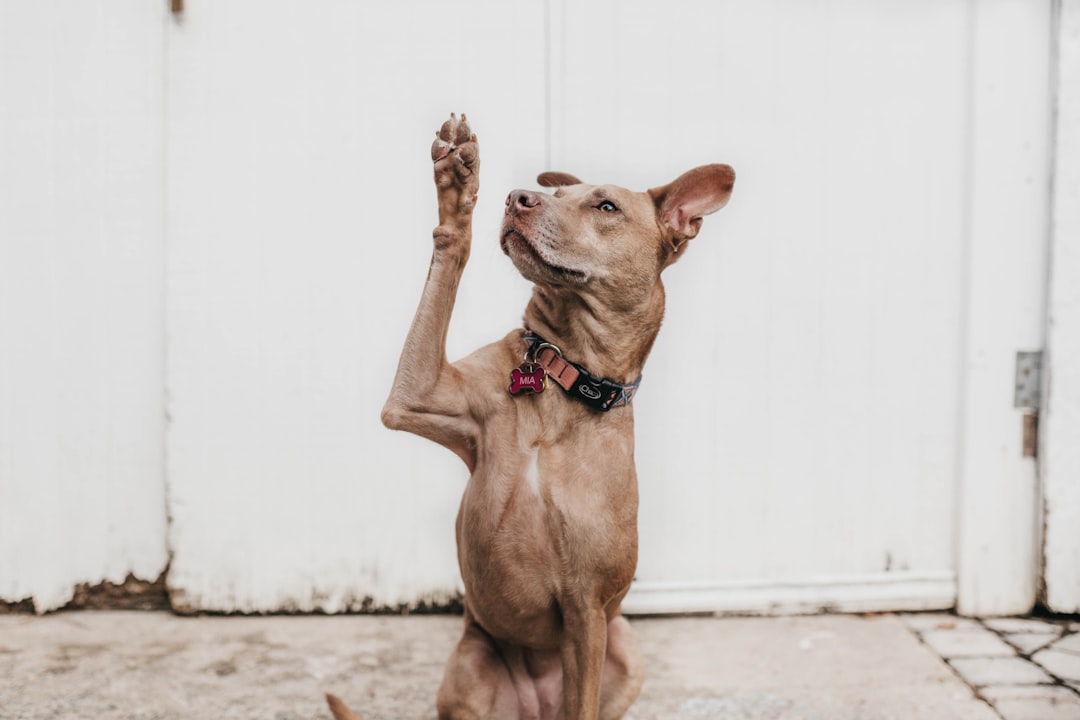
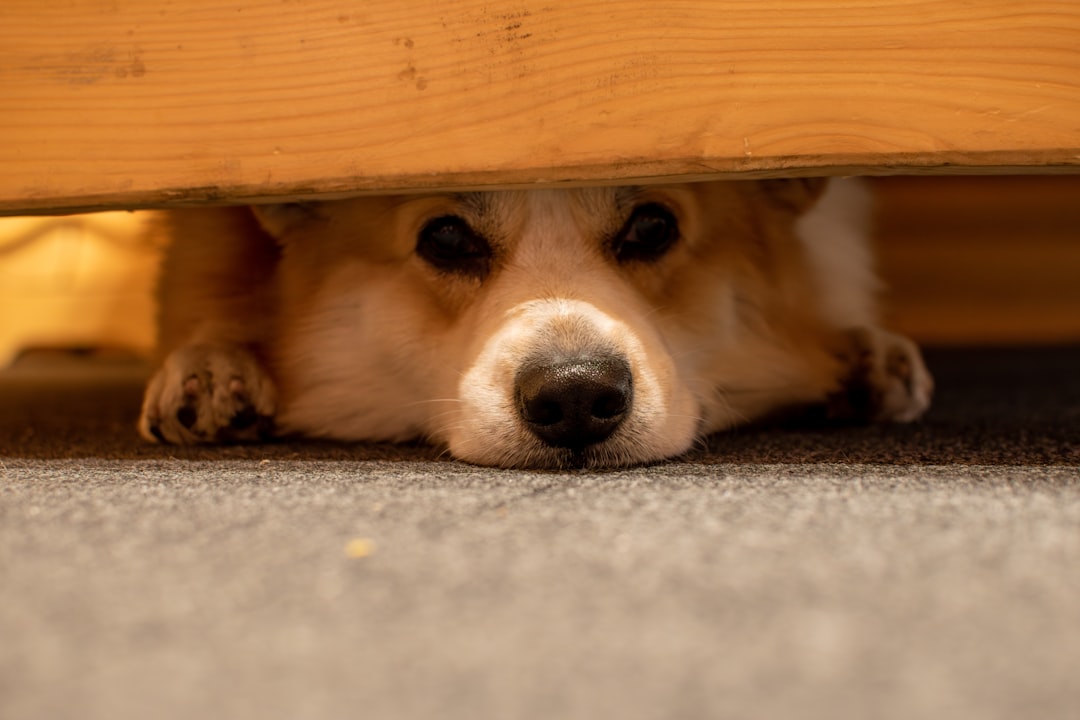
The simplest thing you can do is move your pet to an interior room with no windows. Turn on some soft music. Give them a comfortable space away from the noise and the excitement.
An enrichment activity, like a Kong toy or a chew can help keep them calm and occupied while the show is going on outside.
An anxiety vest sometimes helps, too. No vest on hand? A snugly fitting t-shirt can work in a pinch.
If you and your vet decide that anti-anxiety medication is the right call, the ASPCA has a few reminders. Give a practice dose before the big night so you know how your pet responds. Never share it with another animal, never give more than the recommended amount, and keep a close eye on your pet throughout.
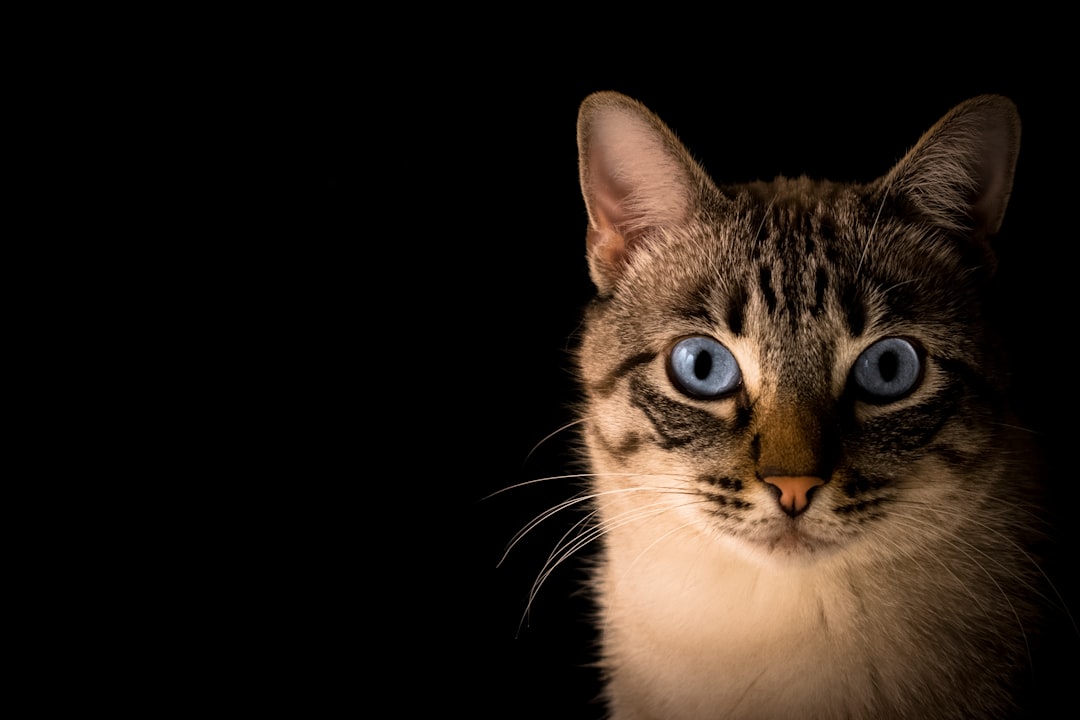
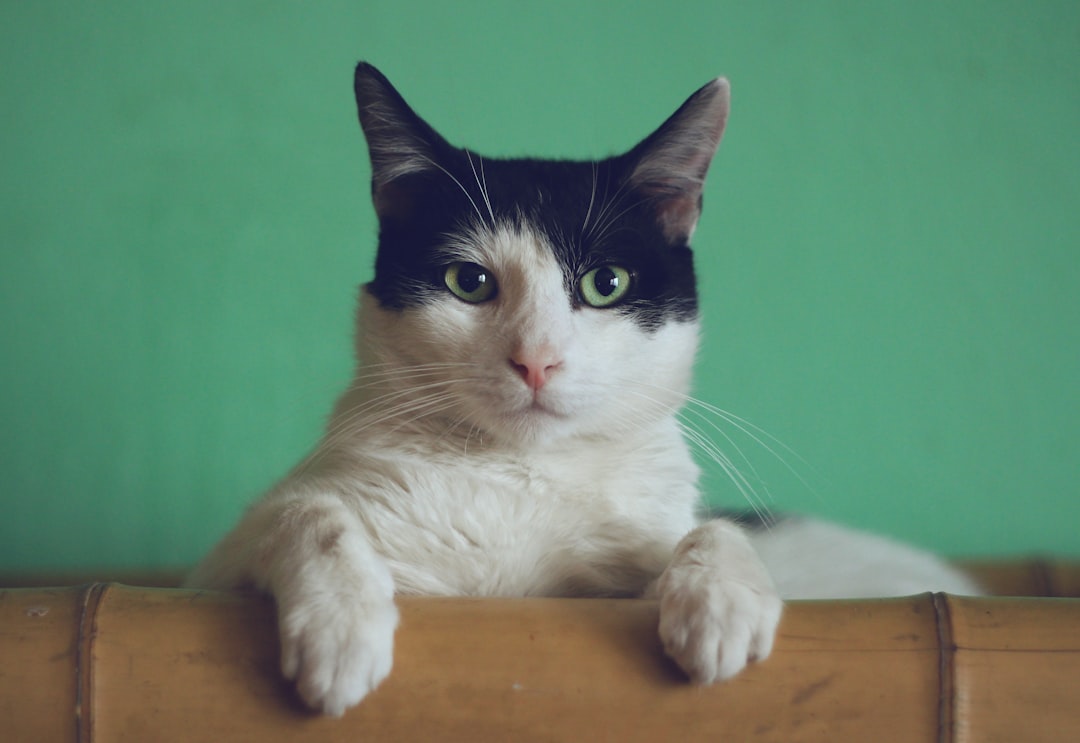
Cats tend to handle fireworks by hiding, which is actually their way of coping. Check in on them, keep them indoors during the noisiest stretch of the evening, and leave some quiet music on for company.
One more thing, make sure your pet’s ID tag and microchip information are current. Scared pets sometimes bolt, and up-to-date information is their best ticket home.
Watch Out for These Fireworks Hazards
Pets are curious creatures, and some will try to eat just about anything, including fireworks. Keep them locked away until you are ready to use them, and keep your pets well out of the area when they go off.
Fireworks also contain chemicals and heavy metals. If you set them off at home, do a thorough cleanup before letting your dog back in that area. Pick up all trash and leftover materials.
BBQ Foods That Are Dangerous for Pets
A backyard cookout means a lot of tempting smells at nose level. Here is what to keep well out of reach:
- Fatty foods — Burger trimmings, steak drippings, and greasy leftovers can lead to pancreatitis, a painful inflammation of the pancreas. Even small amounts can cause vomiting, stomach pain, and depression. Some cases need hospitalized treatment.
- Sauces and seasonings — Garlic, onion, cocoa powder, coffee, and tamarind show up in a lot of rubs and marinades. These can cause anything from stomach upset to red blood cell damage, kidney damage, and effects on the heart and nervous system.
- Alcohol — Even a small amount can cause stomach upset, incoordination, breathing problems, and more serious effects on the heart and nervous system.
- Charcoal briquettes, wooden or metal skewers, corn cobs, and bones — All of these can cause a dangerous blockage if swallowed, often requiring surgery to fix. Sharp items add a risk of injury on top of that. Dispose of them carefully and keep trash cans tightly closed.
If you have any reason to think your pet got into something toxic, contact your vet or the ASPCA Animal Poison Control Center at (888) 426-4435 right away.
A few small steps now means you can enjoy the holiday knowing your four-legged family member is safe, settled, and right where they belong, close to you.