Every generation has its fears. Some of them make perfect sense looking back. Others? Not so much.
History is full of moments when ordinary things sent Americans into a genuine panic. A paddle-boat. A paperback. A vegetable. Looking back now, it is hard not to smile a little, and wonder what our own era will be mocked for someday.
Here are five of the strangest things that had Americans genuinely frightened.
1. Canoes
Hard to believe, but in the early 1900s, canoes were considered a moral threat. The concern? Young people were using them to arrange secret romantic meetings, away from prying eyes.
The panic got serious enough that Minneapolis actually tried to pass a rule requiring two people of opposite sexes in a canoe to sit facing away from each other. Public pushback killed the idea quickly, but the fact that it was proposed at all tells you something about the times.
2. Dime Novels
In the late 1800s, a new kind of book started showing up everywhere. Called dime novels, because they cost exactly one dime, far less than the dollar or more most books ran, they made fiction affordable for ordinary people.
But not everyone was happy about it. Some in society believed these cheap paperbacks could corrupt readers and undermine social order. That fear led to real consequences. Anthony Comstock used the 1873 Comstock Law to censor dime novels, along with other works he considered sensationalist and dangerous. Comstock was working at the US Postal Service at the time, which gave him considerable reach.
3. Dungeons and Dragons
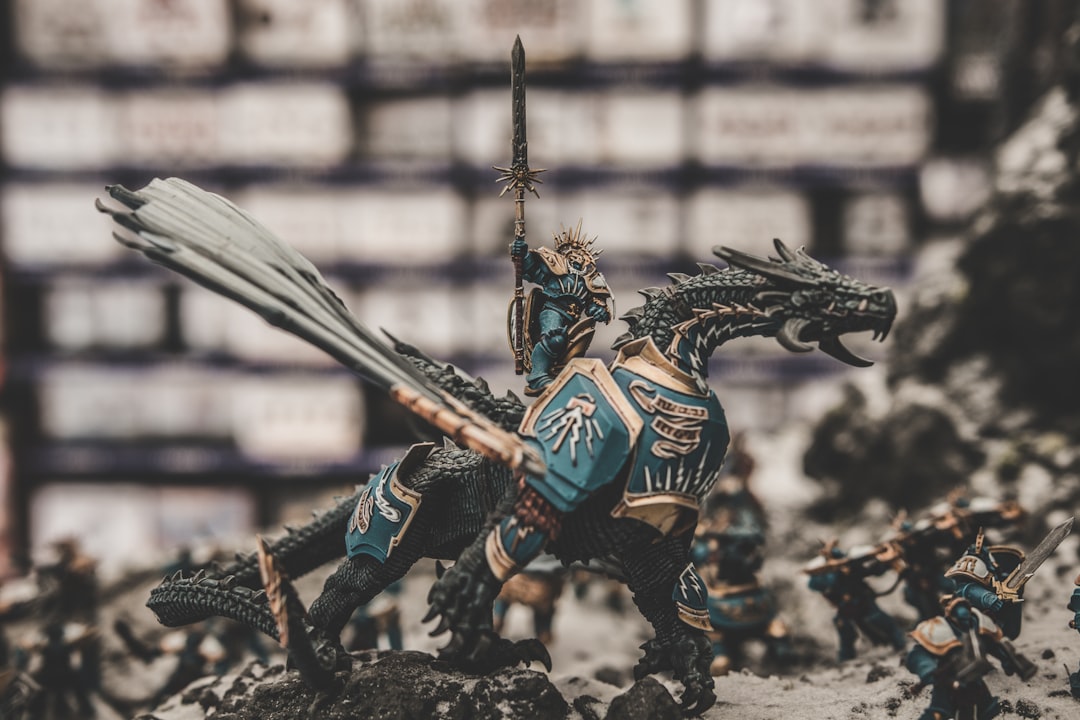
If you had a teenager in the 1980s, you probably heard the warnings. Dungeons and Dragons, known to fans simply as D&D, became the target of a full-blown moral panic during that decade.
It started when the game was wrongly blamed for a student’s suicide in 1980. That story spread through the media and eventually caught the attention of religious groups, who claimed the game exposed young people to demonic influence. The fear grew from there.
Eventually, several studies looked into the claims and found no link between D&D and suicide. Organizations stepped in to correct the misinformation. But for a while, this fantasy role-playing game was treated as a genuine danger.
4. A Martian Invasion
The night before Halloween in 1938, Orson Welles broadcast a radio dramatization of H.G. Wells’s novel The War of the Worlds, a story about creatures from Mars invading Earth.
Some listeners who tuned in partway through did not realize it was fiction. They heard what sounded like a news report and believed a real invasion was underway. Panic broke out in public places as people fled, convinced the Martians had actually arrived.
It remains one of the most remarkable examples of mass confusion in American broadcasting history.
5. Tomatoes
For a very long time, Americans genuinely believed tomatoes were poisonous. Some even connected them to witchcraft. These fears traveled over from Europe and took hold here well into the early 1800s.
Things slowly began to shift in the early 19th century. The Civil War helped speed things along, canned tomatoes were a practical way to feed soldiers in the field. After the war, canned goods became more common in everyday households, and awareness of the tomato’s health benefits began to spread.
Today it is nearly impossible to picture American cooking without them. But for generations, that little red fruit was treated with genuine suspicion.
It is easy to look back and shake our heads. But every era has its panics and its blind spots. These five are just the ones that aged the most entertainingly.