Why Grandkids Melt Down After Losing and How You Can Help
July 7, 2026 — 65Nation
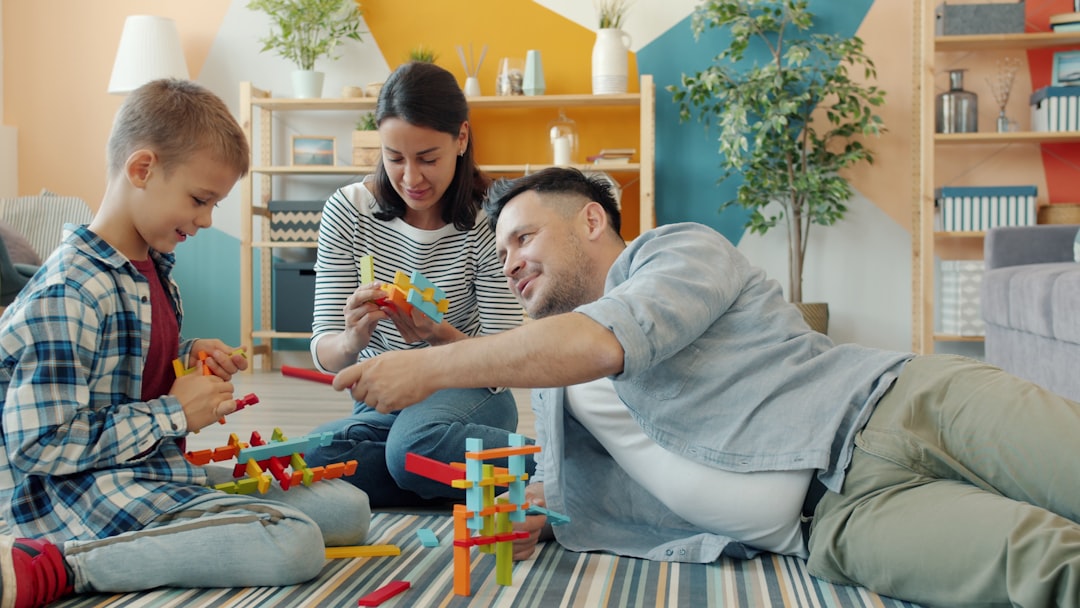
You pull out the board game. Everyone is laughing. Then someone loses and suddenly the whole afternoon changes. Sound familiar?
If your grandchild has ever completely fallen apart after a loss, you are not imagining things. Losing stings. According to one study, the psychological pain of losing is actually twice as powerful as the pleasure of winning. For kids, it can feel even worse.
So when a grandchild throws a fit after a game of Uno, it is not necessarily a sign that something is wrong. But it is worth understanding what is really going on and what you can do about it.
It Is Rarely Just About the Game
Psychologists say that when a child loses it after a board game, the game itself is rarely the real issue. It is about managing big feelings and that is a work in progress for pretty much every child on the planet, she says.
There is also a whole inner monologue happening that no one else can hear. A child might be telling themselves that losing means something about who they are. I lost, therefore I am a loser. Or they might feel like their entire reputation on the playground is riding on one round of Monopoly.
You can’t always see that kind of thinking from the outside. But knowing it is likely happening is a good place to start.
When Should You Pay Closer Attention?
Struggling to lose is really about struggling to manage big emotions. Most kids work through it. But if a child is melting down every time life does not go their way, not just during games, but over homework mistakes, feeling like they let someone down, or worrying about being embarrassed, that pattern is worth paying attention to.
On the other hand, if it really only shows up around games and nowhere else, it may be a standalone issue rather than something deeper. One Monopoly meltdown does not tell the whole story. Patterns across situations tell far more.
What You Can Do
Here is the good news: you have more influence than you might think. dults in a child’s life can do a lot to support healthy coping and you do not need to wait for a problem to show up before you start.
Model it yourself. That does not mean pretending you have no feelings when things go wrong. It means letting kids see you experience disappointment and handle it. You are showing them what that looks like in real life.
Watch what you say about losing in general. How do you talk about the team that lost the big game? Kids are listening. If losing always comes with mockery or dismissal, that is the lesson they absorb.
Widen the lens beyond winning. Talk about having fun, being a good teammate, and enjoying the experience. The final score is one small part of a much bigger picture. Celebrate the little moments inside the game: a great play, a kind gesture, a moment of effort. Those are worth far more than who won.
Validate first, fix later. When the loss hits and the feelings are big, start with validation. Something like, “I get it, you’re disappointed. I’d feel that way too.” Then let it sit for a minute. Resist the urge to immediately add a “but.” Every emotion is okay, even if every behavior is not.
Set a goal before the game even starts. If your grandchild tends toward big reactions, try naming a simple behavioral goal ahead of time, something like, “If you lose, I’ll be watching for a safe body and kind words.” Keep it simple, keep it specific, and when they pull it off, reward them for it. It is hard work, she says. It deserves recognition.
The next time you pull out that board game, you will be ready. And so will they.