Summer is a gift. No backpacks, no homework, no rushing out the door. For grandkids, those long, lazy weeks are exactly what childhood is supposed to feel like.
But here is something worth knowing. When kids are away from school for an extended stretch, their academic performance can slip, especially in math. Educators call it the math summer slide.
It sounds alarming. It does not have to be. The good news is that knowing about the summer slide is already half the battle. There are ways to help the grandkids stay sharp and still enjoy every minute of their break.
As a grandparent, you are in a perfect spot to help. You can weave a little learning into the fun without it ever feeling like school. That is a role only you can play.
Why math takes the biggest hit
Reading has a way of taking care of itself over the summer. Kids read street signs, menus, comic books, and the back of the cereal box without even thinking about it. Math is different. It needs regular practice to stay fresh, and summer rarely provides that on its own.
The research backs this up. A well-known analysis of 39 studies found that students returned to school in the fall scoring at least one month behind where they left off in the spring, and the setback in math computation averaged more than two months. More recent findings suggest that roughly 70 to 78 percent of elementary students lose some math ground over the summer.
Those numbers are worth taking seriously. But remember, this is a slow softening of skills, and it responds beautifully to small doses of everyday practice.
Little ways to keep math alive
The secret is that math hides everywhere in daily life. You do not need workbooks or flashcards. You just need to invite the grandkids into things you are already doing.
Bake something together. Doubling a cookie recipe means doubling every measurement. Halving it means fractions. The reward at the end tastes a lot better than a worksheet.
Deal the cards. Games like War, Go Fish, Rummy, and Cribbage are counting and comparing in disguise. Dominoes and Yahtzee work wonders too.
Put them in charge of small change. At the store or the farmers market, let them count out the bills, estimate the total, and check the change. Handling real money makes numbers feel real.
Follow the box scores. If there is a baseball fan in the family, batting averages and win-loss records are a math lesson wearing a ball cap.
Measure the garden. How many inches did the tomato plant grow this week? How many days until the sunflowers bloom? A ruler and a little curiosity go a long way.
Play the license plate game. On road trips, add up the digits on passing plates or keep a running tally of states spotted. Miles and minutes make for easy mental math, too.
Ten or fifteen minutes here and there is plenty. The goal is simply to keep those math muscles moving.
The part only you can play
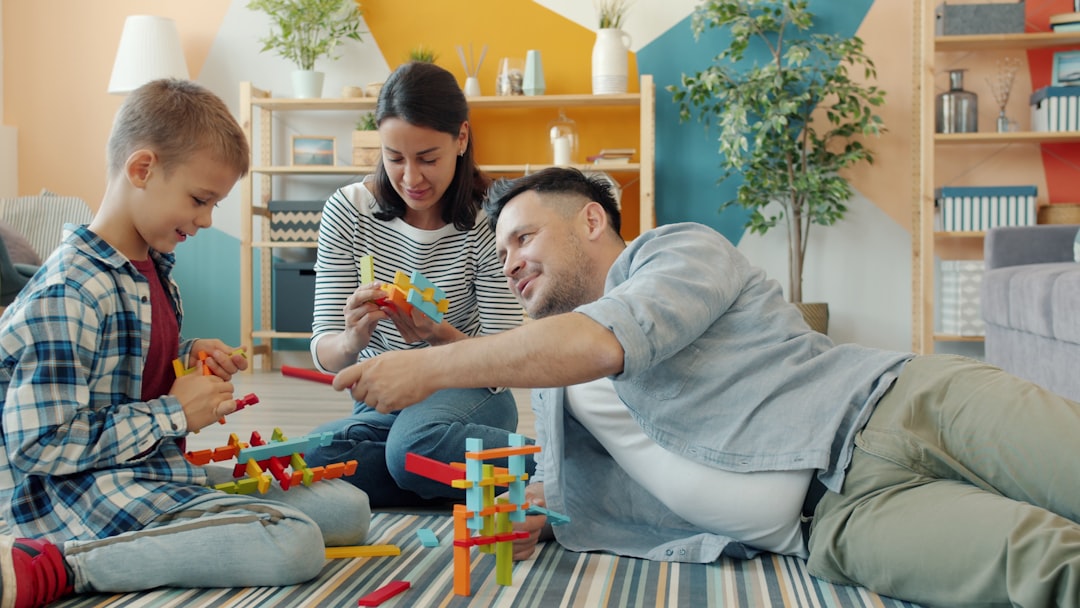
Teachers assign. Parents remind. Grandparents get to do something better. When math shows up at your kitchen table or on your porch, it comes wrapped in time together, and that changes everything. The grandkids will not remember practicing fractions. They will remember baking with you.
So enjoy every lazy afternoon this summer. Just sprinkle in a little counting along the way. Come September, their teachers will notice. And you will know exactly why.