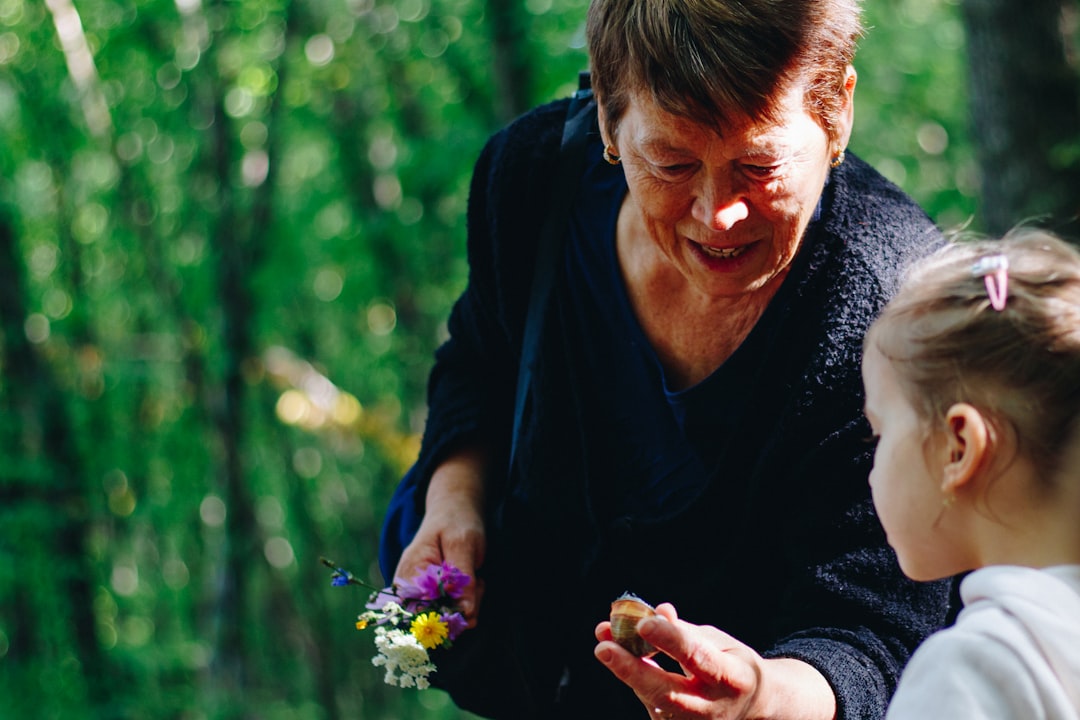
You’re already shaping who your grandchildren are becoming. Every conversation, every shared afternoon, every quiet moment together leaves a mark. The only question is whether you’re doing it on purpose.
Melissa Richardson spent three decades designing workplace mentoring programs. When her first grandchild arrived, something clicked. The same principles that help people grow at work, she realized, apply just as naturally to grandparenting.
Mentoring, she says, is simply helping another person grow into who they can become. By that definition, every grandparent is already doing it. Here are five small shifts that make it count.
Let Them Work It Out
When a grandchild struggles, the instinct is to step in and fix it. Richardson says that impulse, while loving, gets in the way of learning.
Instead of rescuing them, try asking questions that guide them toward their own solution. They get the satisfaction of figuring it out. And they build confidence for the next time something is hard.
Talk About What They Just Experienced
Richardson took her grandkids to see a movie recently. The real value, she says, wasn’t the film; it was the conversation on the way home.
Her 10-year-old grandson wanted to talk about the story’s lesson. Rather than sharing her own opinion, she asked for his. He ended up talking about how much more fun he has playing soccer and spending time with friends than getting lost in online games. He even noted how addictive he finds screens, and said he wanted to spend more time outdoors and with family.
Holding space for a child to think out loud and asking thoughtful questions helps turn a general idea into something real and personal for them.
Do Things Together That Build Their Skills
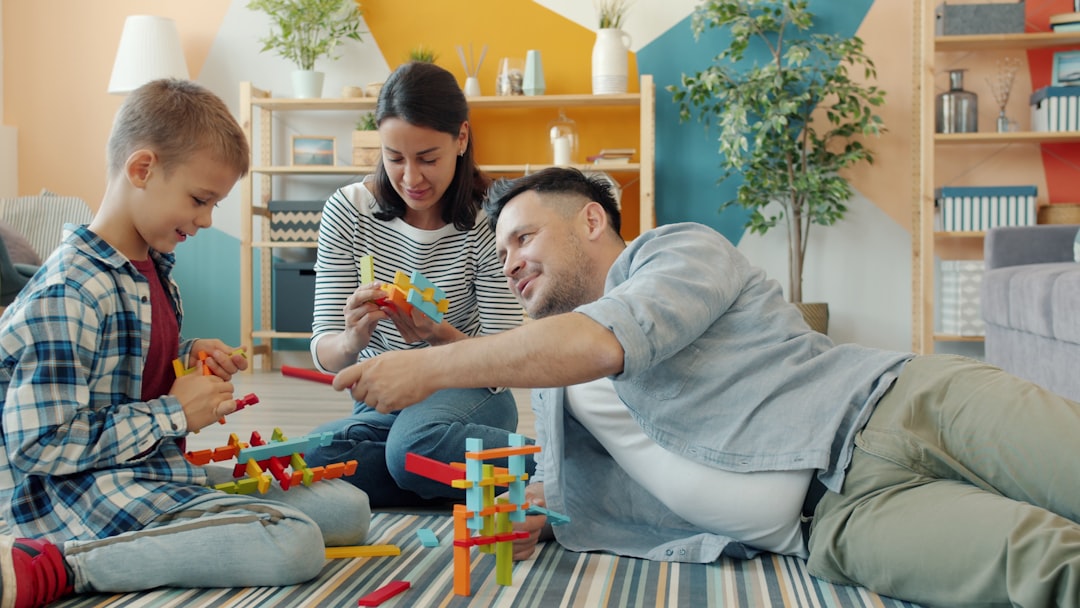
Cooking together is one example Richardson uses. When you cook with a grandchild, you’re not just making dinner. You’re helping them practice goal-setting, planning, measuring, and patience.
Grandchildren rarely remember the recipe, she writes. They remember that someone believed they were capable of making it.
Ask Questions That Make Them Think
Richardson calls these “powerful questions”: ones that push a child’s thinking in a positive direction. She offers three you can use right away:
- To spark creativity: “If there were no rules, how would you reinvent this?”
- To build resilience: “When things feel hard, how could you remind yourself how strong you are?”
- To help them handle uncertainty: “What are some things that haven’t changed, even though other things have?”
Put the Phone Down and Really Listen
Full attention, Richardson says, is one of the greatest gifts you can give. Active listening means tuning in not just to the words, but to the feelings underneath them.
It means resisting the urge to jump in with a quick fix. It means asking a thoughtful question instead. When children feel truly heard, they begin to hear themselves more clearly too.
You Don’t Need to Do More
You don’t need another activity or a new strategy. Richardson’s whole point is that the moments are already there. You just need to show up in them a little more deliberately.
Love makes you a grandparent, she writes. Intention helps you become the grandparent your grandchildren need.