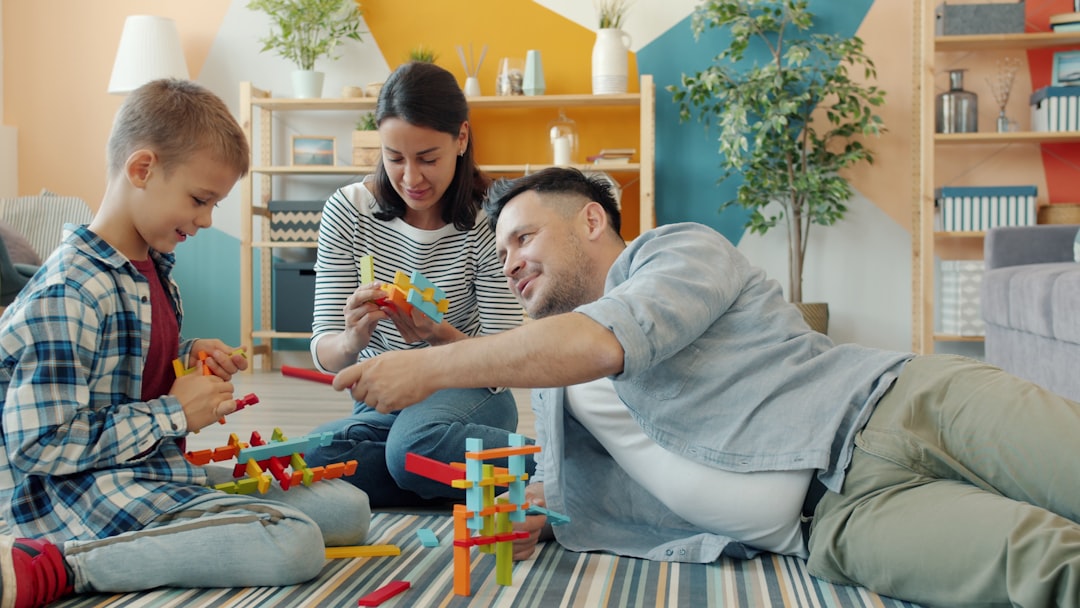
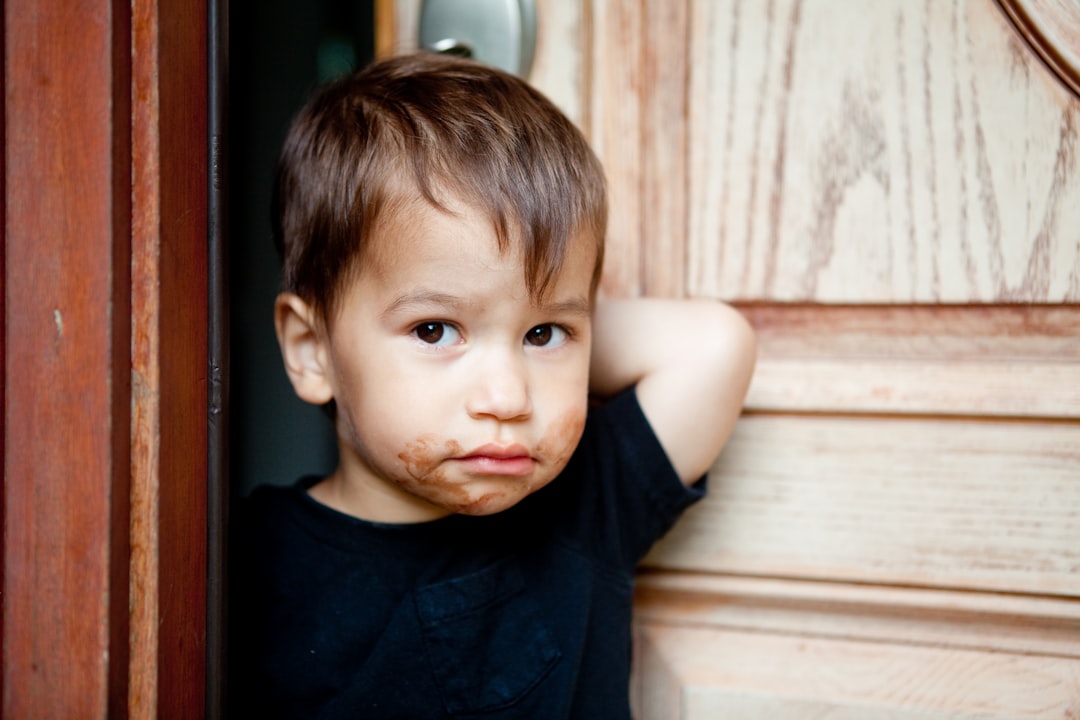
You raised your children in this house and everyone turned out just fine. So why would it need any changes before the grandkids come over?
Here is the thing: a toddler on a mission sees hazards you stopped noticing years ago. And some of what passed for safe in the 1980s and 90s is no longer recommended. A quick walk-through now, before the visit, can make all the difference.
Start With a Conversation
Before your grandchild’s next visit, talk with the parents. Ask what concerns they have. You do not need to childproof every last drawer, but if they have a specific worry, take it seriously. The goodwill you build by installing a simple toilet latch or cabinet lock is worth far more than the ten minutes it takes.
What Has Changed Since You Were Parenting
Some safety guidance has been updated since our generation was raising babies. Standard plug-in outlet covers, once considered essential, are now thought to pose a choking hazard if a child pulls them out. Tamper-resistant outlets or screw-on covers are the preferred approach today.
Sleep safety guidelines have also changed substantially. If your grandchild will be sleeping at your home, ask the parents what setup they use. A firm, flat surface with no loose bedding, bumpers, or positioning devices is now considered the safest option.
How to Spot Hazards Before a Toddler Does
Get down to floor level and look around. Electrical cords, candles, matches, small objects on low shelves; these are all within reach of a curious child. Anything that can fit through a toilet paper tube can block a child’s airway.
Then look up. Tall furniture such as dressers, bookshelves, TV stands can be pulled over by a climbing toddler. Even heavy pieces. Anti-tip straps anchor these to the wall and are widely available. This is a step many grandparents skip, and one of the most consequential if overlooked.
Room by Room
The kitchen needs the most attention. Lock any cabinet with cleaning products, chemicals, or sharp objects. Dishwasher pods are especially dangerous; brightly colored, soft, and harmful if a child mouths or squeezes one. Store them up high, never under the sink. Keep hot liquids away from counter edges, and consider stove knob covers if you have a gas range.
The bathroom should be off-limits to unsupervised toddlers. A simple door latch takes care of that. Inside, move anything stored in low cabinets up out of reach, including cleaning products that may have been under the sink for years.
Living areas need a sweep for less obvious dangers: firearms, matches, and anything a small child could crawl into. If it is low and accessible, ask yourself whether it belongs there during a visit.
The Hazards Grandparents Most Often Miss
Medications, vitamins, and supplements are responsible for up to 20 percent of pediatric poisonings. Move everything, prescription drugs and over-the-counter bottles alike to a high, locked location. Do not forget purses and bags left on chairs or low tables.
Water is more dangerous than many people realize. A child can drown in just two inches of water. Drowning is the leading cause of accidental death in children ages one to four, and children under one most often drown in bathtubs, buckets, or toilets. If you have a pool, pond, or live near water, children must be supervised by an adult and stay within arm’s length at all times.
Baby walkers with wheels should not be used. Between 1990 and 2014, more than 230,000 children under 15 months went to the emergency room for walker-related injuries. Seventy-five percent of those injuries involved stairs. A stationary activity center is a safer choice.
Pets need watching too. Even the most gentle dog or cat can react unpredictably to a crying baby. Never leave a pet alone with a young child, no matter how easygoing the animal has always been.
Smoking residue on skin, clothing, hair, furniture, and in cars increases the risk of SIDS, even when no one is actively smoking near the child. Never smoke in any space your grandchild will occupy.
A Quick Checklist Before the Next Visit
- Lock kitchen cabinets with chemicals, cleaning products, sharp objects, and dishwasher pods
- Move all medications, vitamins, and supplements to a high, locked location, including in purses and bags
- Anchor tall furniture to walls with anti-tip straps
- Remove anything that fits through a toilet paper tube from low surfaces and floors
- Add a bathroom door latch and clear low cabinets of all products
- Lock away or remove firearms, matches, and anything a child could crawl into
- Address any accessible water sources, including buckets and pet bowls
- Confirm the sleep setup with parents
- Take an infant CPR and first aid class if you have not done so recently
The One Step No Checklist Can Replace
Most child injuries happen when a caregiver’s attention shifts; a phone call, something on the stove, a moment of conversation. Babyproofing does not replace supervision. But it means that when your attention wanders for thirty seconds, the stakes are lower.
The American Red Cross offers an online infant CPR and first aid course. It is worth completing before you need it rather than after.
A home that has been thoughtfully prepared is a more relaxed home. When parents are not quietly on alert for dangers, they visit more often and stay longer. That is well worth the effort.