
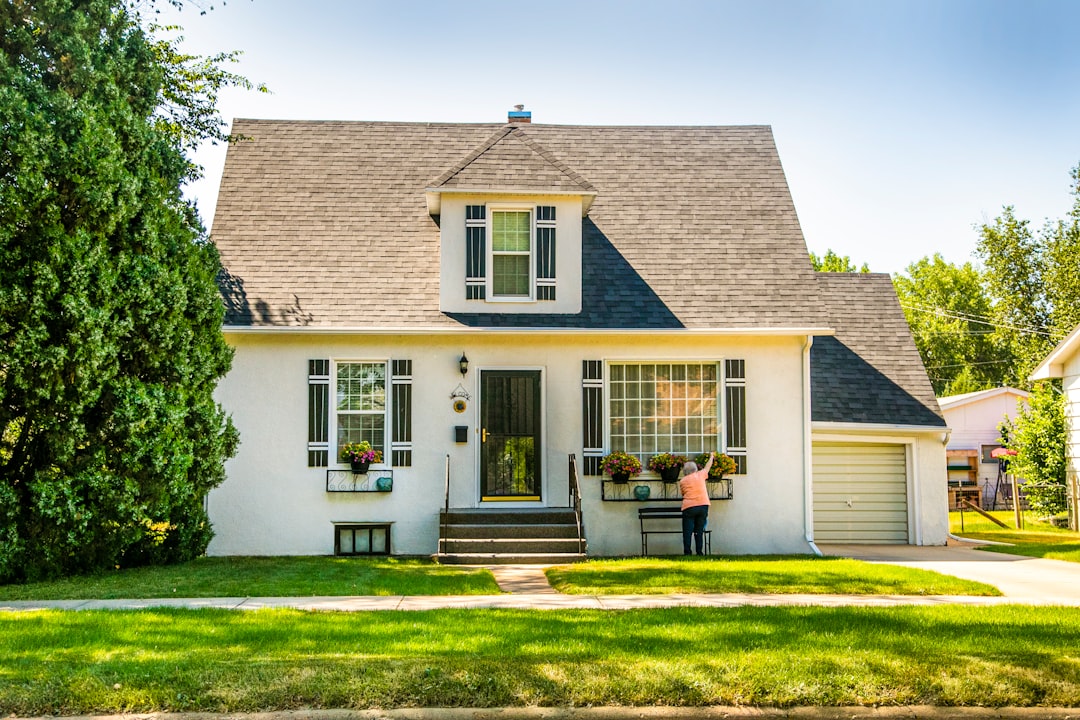
If you own a home you have lived in for decades, you are sitting on something very powerful right now. And the numbers from the real estate world make that crystal clear.
According to the National Association of Realtors’ 2026 Home Buyers and Sellers Generational Trends Report, baby boomers, defined as those aged 61 to 79, now make up 42 percent of all homebuyers in the country. That is more than any other generation.
Even younger Millennials, who actually have the highest median household income of any generation of homebuyers, are not buying homes at the same rate. Why? Because income is not the deciding factor right now. Equity is.
The Equity Advantage
Home values have climbed sharply over the years. According to the Federal Reserve Bank of St. Louis, the national average sales price of a home hit $514,600 in the first quarter of 2026. That is a 30 percent increase over the past 10 years, 40 percent over the past 20 years, and 68 percent over the past 30 years.
If you bought your home 20 or 30 years ago, that kind of appreciation means you have built up substantial equity. That equity changes what you can do in the housing market today.
Jessica Lautz, deputy chief economist at the NAR, put it plainly.
“Baby Boomers are at a point in life when they have the flexibility to move, often with housing equity to help purchase their next home.”
That equity can be used in a few ways. Some homeowners borrow against it through a home equity loan or line of credit, then use those funds to buy a second property or vacation home. The NAR report found that 6 percent of baby boomers owned vacation homes.
But the most powerful move is simpler than that: paying cash.
All-Cash Offers Change the Game
The NAR found that 39 percent of younger boomers aged 61 to 70 are buying homes with cash. Among older boomers aged 71 to 79, that figure rises to 46 percent.
Paying in cash means no mortgage to worry about. No high interest rates. And in most cases, sellers prefer a cash offer because it is simpler and faster to close.
That combination, decades of equity plus the ability to pay cash, is why our generation is leading the market right now, even when younger buyers earn more each year.
Downsizing and Upsizing, Both at Once
Where are boomers moving? Both directions, it turns out.
Many are downsizing to smaller, easier-to-manage homes: closer to family, with fewer stairs, and less upkeep. As Lautz noted, many boomers are “moving to be closer to friends and family, to downsize, or to retire and enjoy a work-free lifestyle.”
At the same time, wealthier boomers are actually buying bigger homes. The Wall Street Journal reported that well-off boomers are upsizing as they age, buying larger properties or financing additions to the homes they already have.
According to the WSJ, these buyers are adding guesthouses for family, gourmet kitchens for entertaining, and features like first-floor primary bedrooms and high-end grab bars for aging in place comfortably.
Whether downsizing or upsizing, the common thread is the same: the financial flexibility that comes from years of homeownership and rising property values.
What This Means If You Are Thinking About Moving
If you have been on the fence about making a move, to be closer to the grandkids, to simplify your life, or to finally buy that place you have always wanted, your equity may be your biggest asset right now.
The NAR data makes clear that our generation is not sitting on the sidelines. At 42 percent of all homebuyers, we are the most active group in the market. And the equity many of us have built over a lifetime of homeownership is the reason why.